


Planet Cake
Lucy Azatyan, Vicente Baeza, Maximiliane Baumgartner, Gabriel Kuri, Daniel Laufer, Martha Olech, Nie Pastille, Chloé Quenum, Ken Stoové, Adriënne Verburg, Noor van der Wal
26. – 29.03.2026
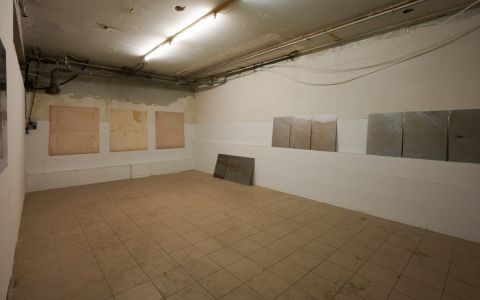
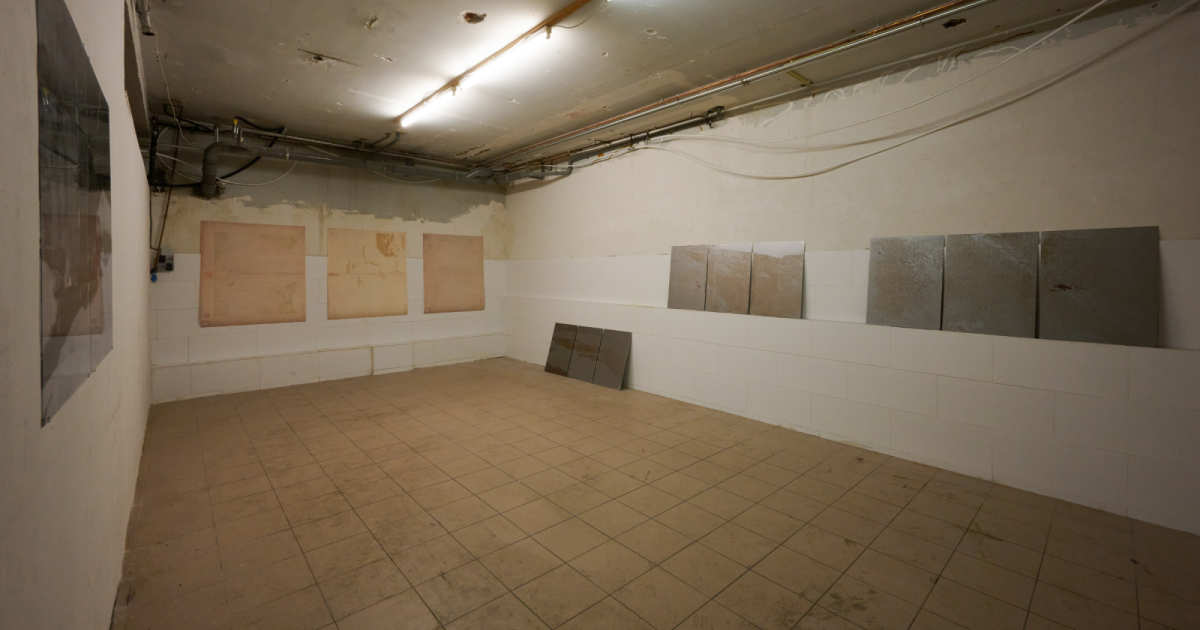
Noor van der Wal, Arctic Archives, 2026. Photo: Frans Parthesius
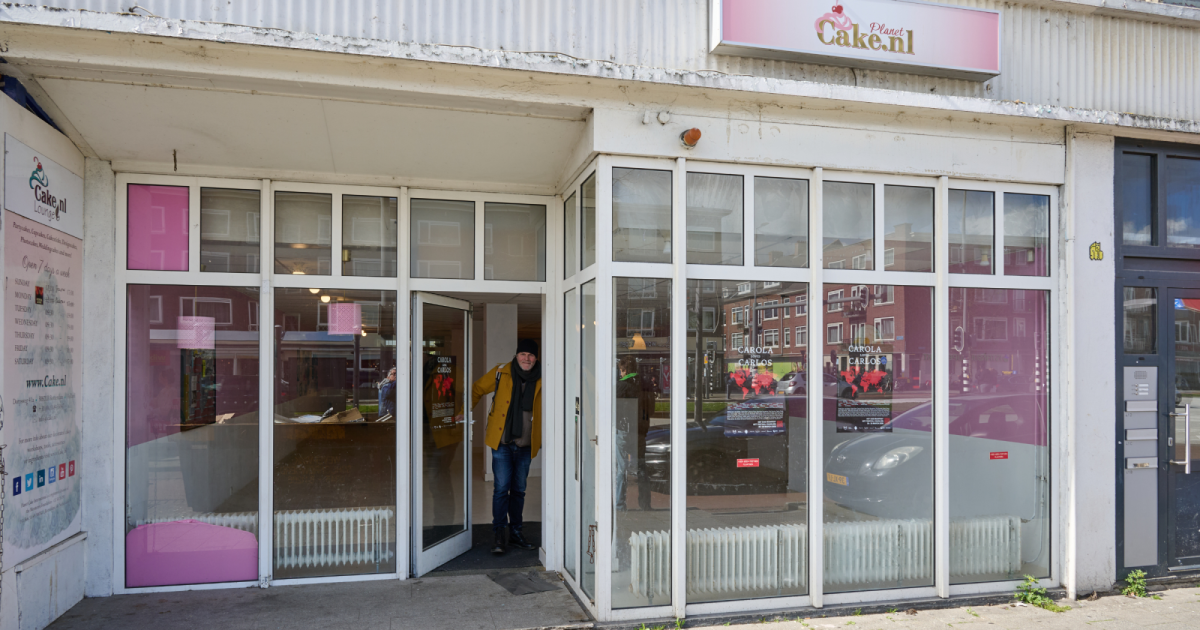
Entrance of Planet Cake. Photo: Frans Parthesius
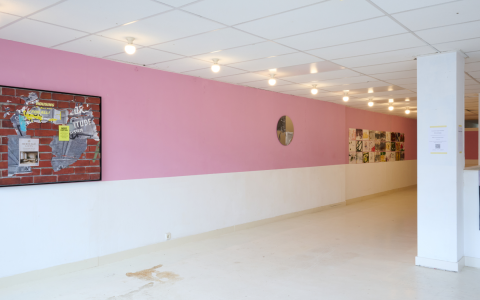
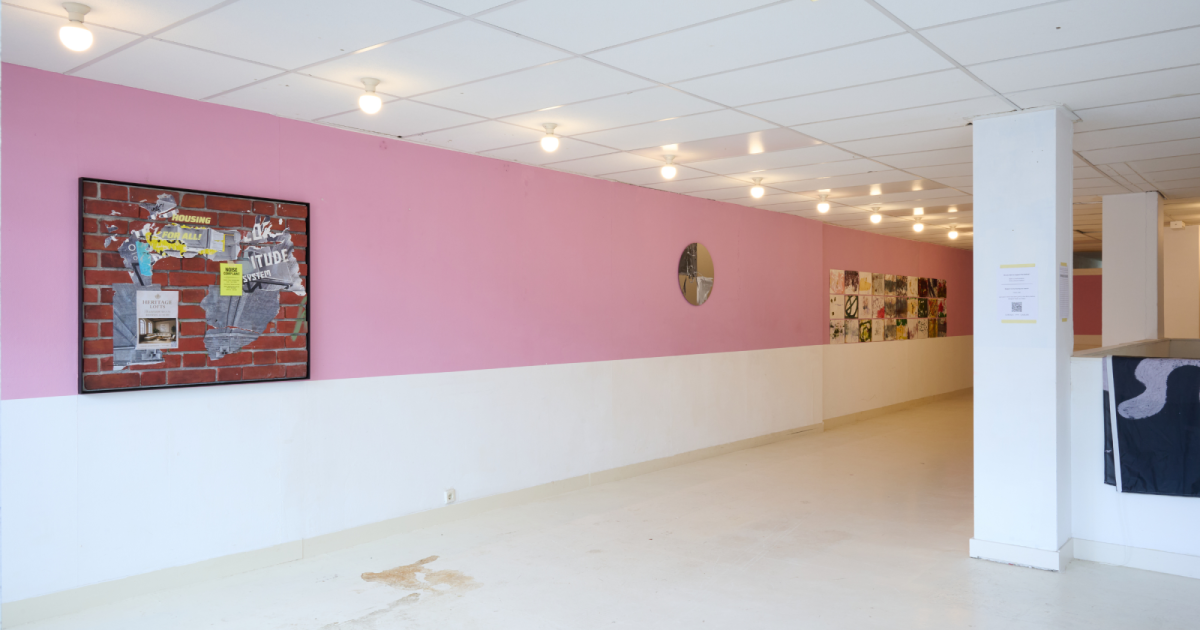
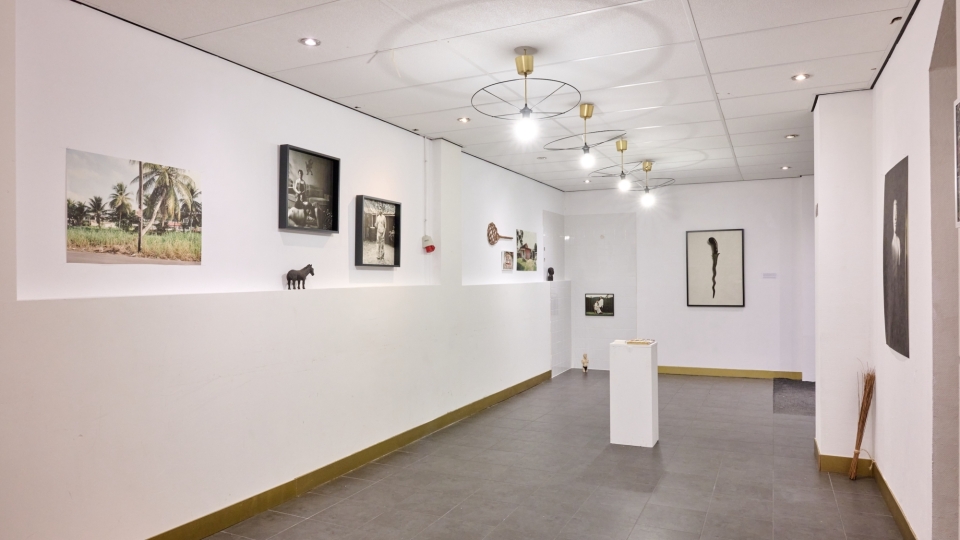
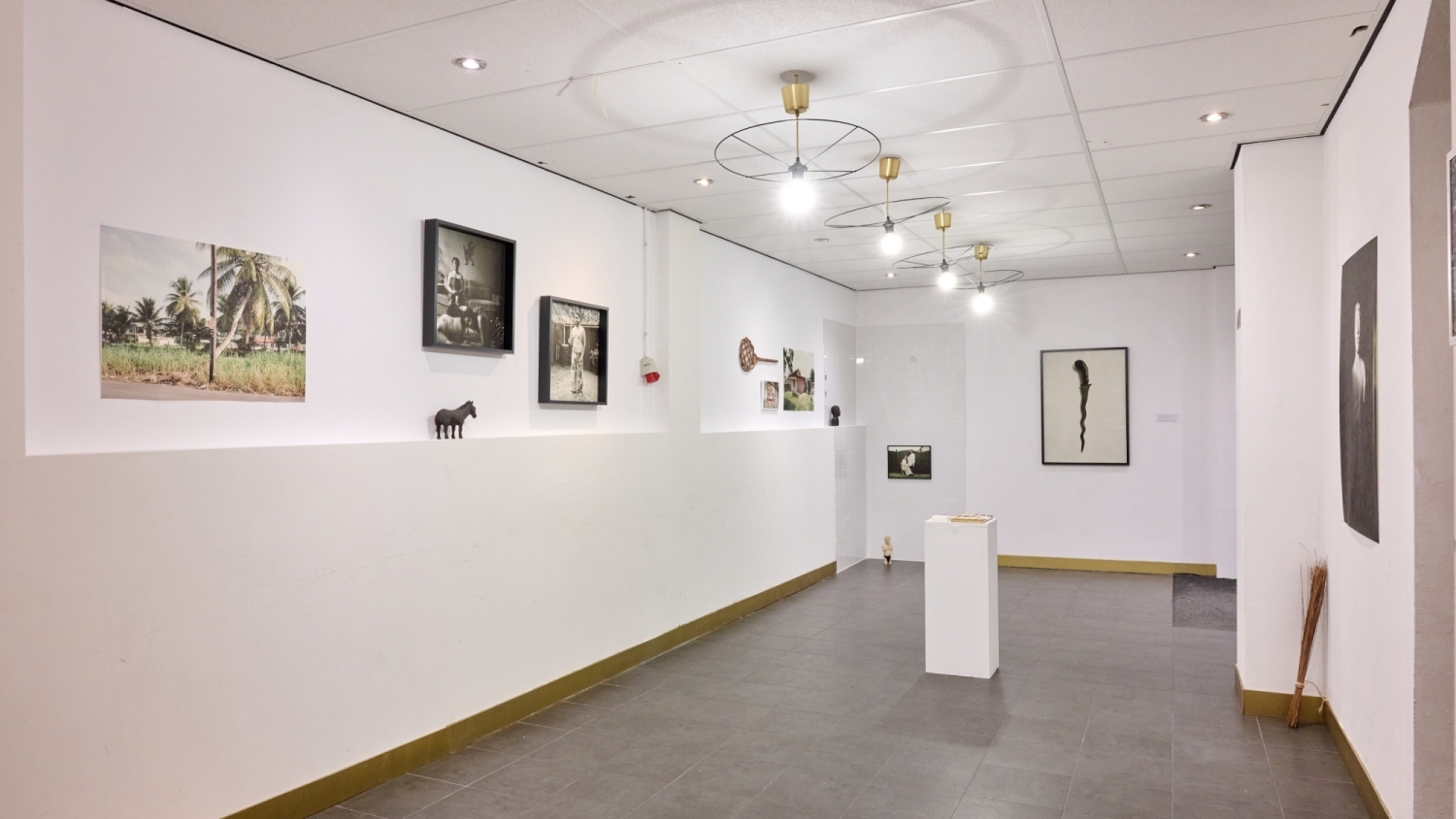
Ground Floor of Planet Cake with works by Daniel Laufer, Maximiliane Baumgartner, and Vicente Baeza. Photo: Frans Parthesius
Adriënne Verburg, FekieFikie, 2025. Photo: Frans Parthesius
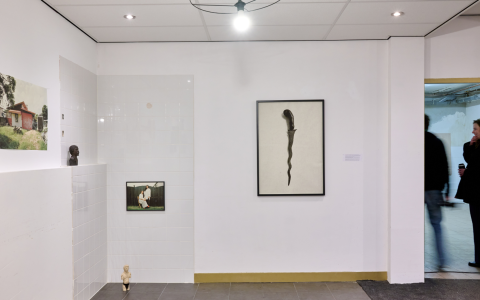
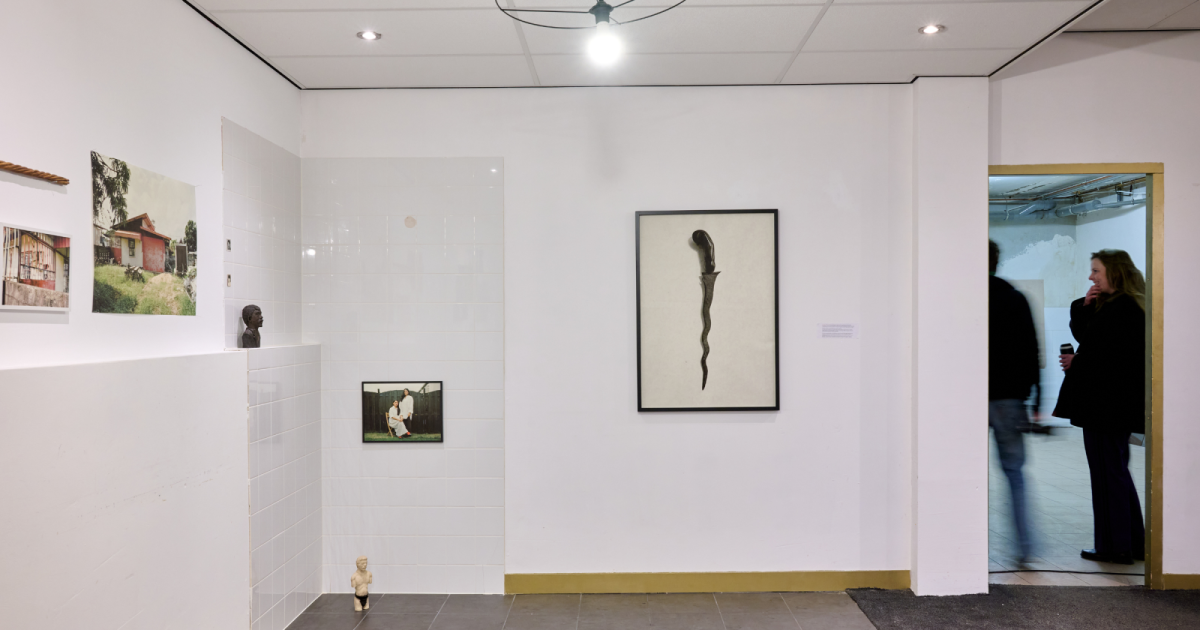
Ken Stoové, Fowru, 2025. Photo: Frans Parthesius
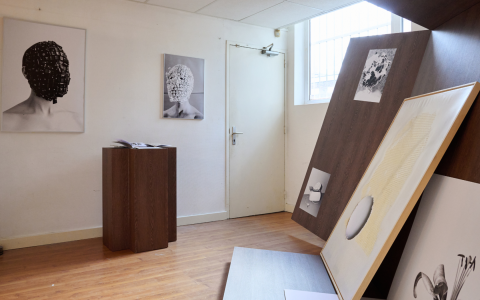
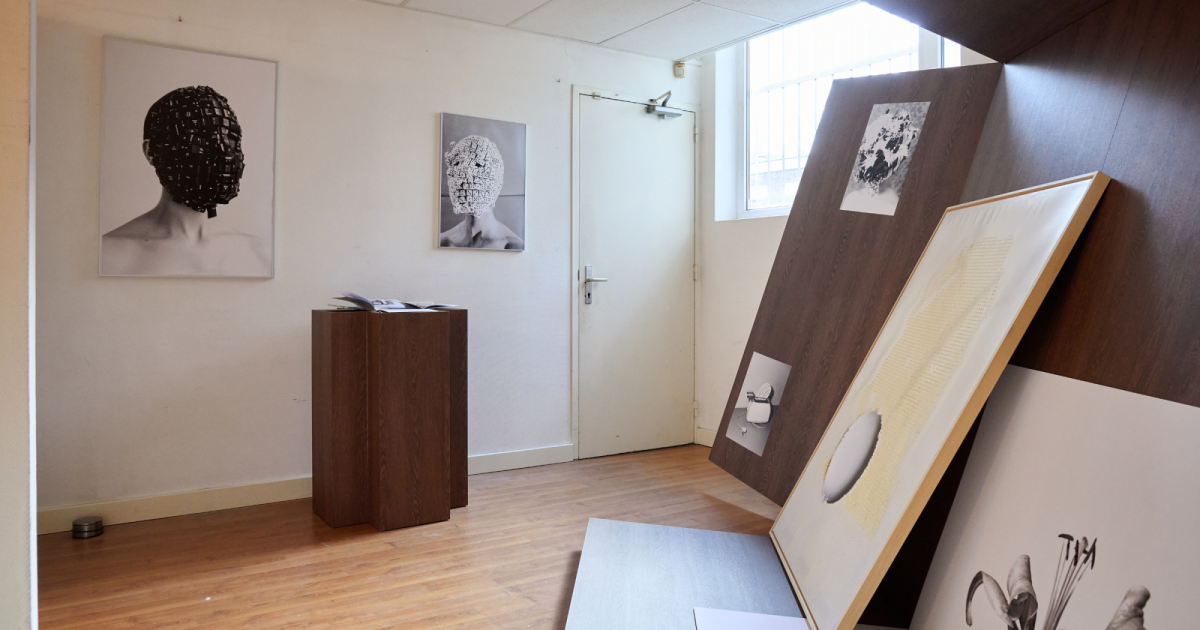
Planet Cake Rotterdam served as one of the exhibition sites, occupying a former retail space where traces of the original shop's interior remain visible. Works were divided across two levels: the ground floor featured drawings, paintings, sculpture, and photography by six international artists alongside a book work, while the basement was dedicated to photography by four recent graduates supported by the HKU Keep an Eye Photography Stipend.
Ground Floor
On the ground floor, works by Vicente Baeza, Maximiliane Baumgartner, Gabriel Kuri, Daniel Laufer, Nie Pastille, and Chloé Quenum are presented alongside a book work by Adriënne Verburg, one of the recipients of the HKU Keep an Eye Photography Stipend.
Artworks:
Vicente Baeza, Drawing n°1–n°9, 2022
Maximiliane Baumgartner, Total Hope, 2024
Maximiliane Baumgartner, Statesman, 2024
Gabriel Kuri, Error Bars, 2026
Daniel Laufer, Your Airbnb Was My Home, 2026
Nie Pastille, B, 2025
Chloé Quenum, Low Light Rituals I, 2026
Adriënne Verburg, FekieFikie, 2025
Vicente Baeza's works were presented in collaboration with De Ateliers.
Maximiliane Baumgartner's works were presented in collaboration with Kirchgasse Gallery.
Gabriel Kuri's works were presented in collaboration with Esther Schipper.
Daniel Laufer's works were presented in collaboration with Kunsthalle Lingen.
Nie Pastille's work was presented in collaboration with JUBG.
Chloé Quenum's work was presented in collaboration with Agence de Voyages.
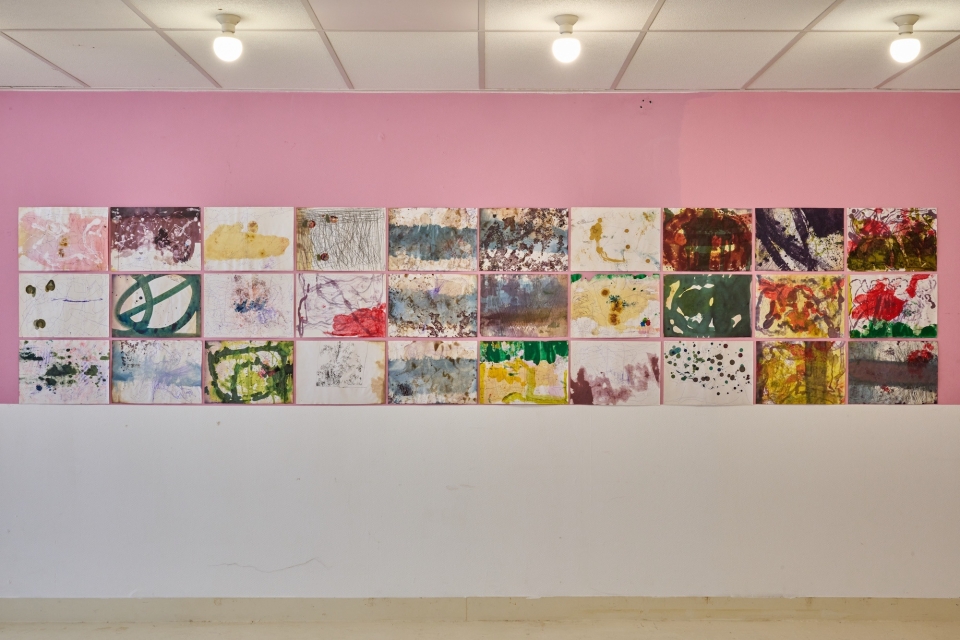
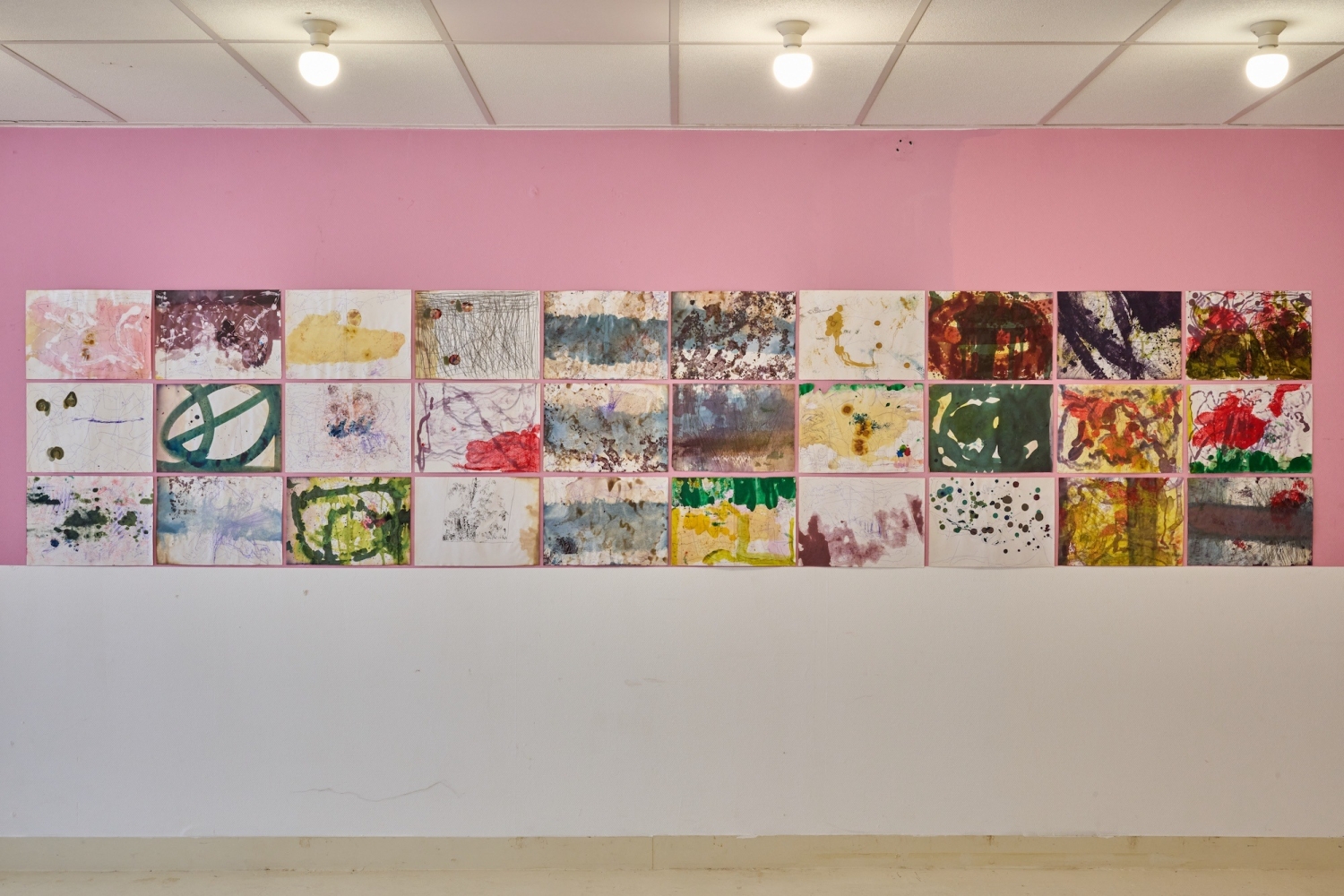
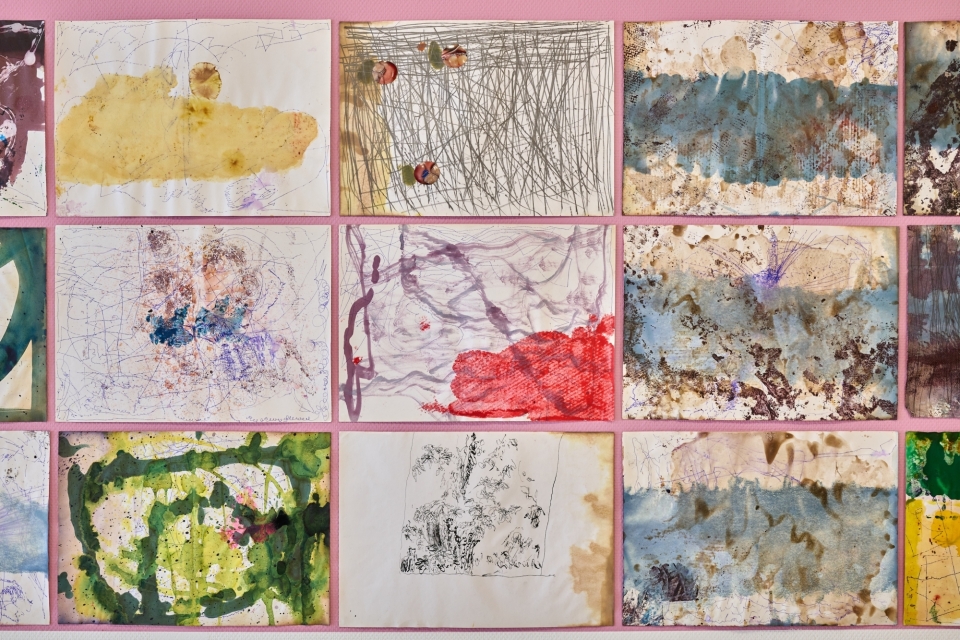
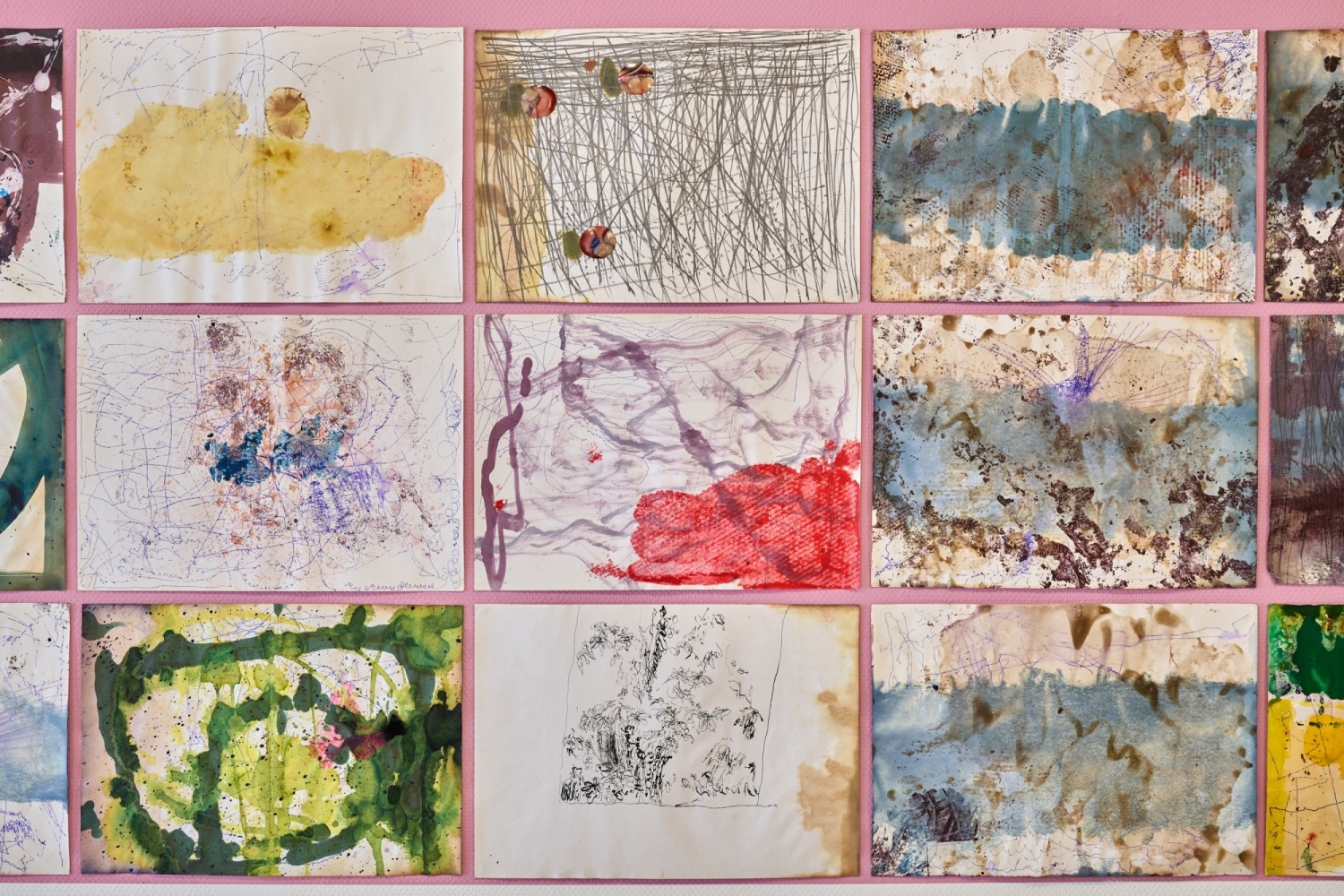
Over the last years, Vicente Baeza has accumulated a large number of drawings on A3 size paper, made mainly in the mornings upon arriving at the studio, as a way of warming up, easing into work, and developing a kind of muscle memory around the movements his hand and body could trace on the paper. He paid close attention to the different ways in which he gripped the pen, deliberately trying to deviate from what felt most comfortable — for example, holding it with just two fingertips at the very end of the pen, furthest from the paper. With complete freedom, he explored the surface of the page, navigating its space so that the lines produced by the pen began to suggest depth.
He generally keeps these papers on the floor of his studio, where he continues to intervene in them with monotype stains: marks that remain as traces of his processes while working on large-scale paintings, allowing these residual gestures to accumulate and enter into dialogue with the original drawings.
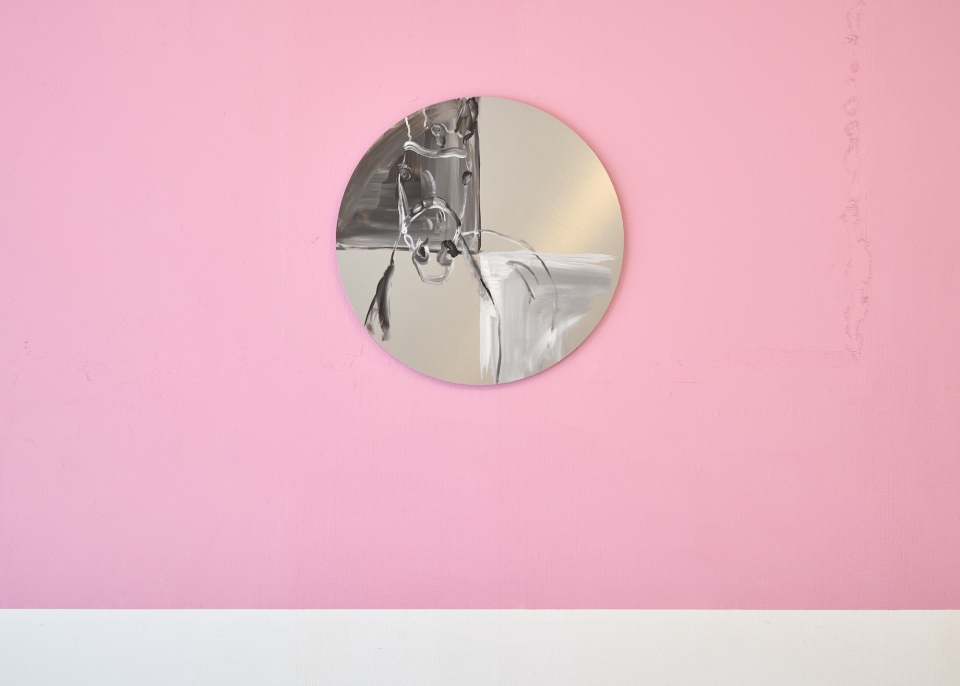
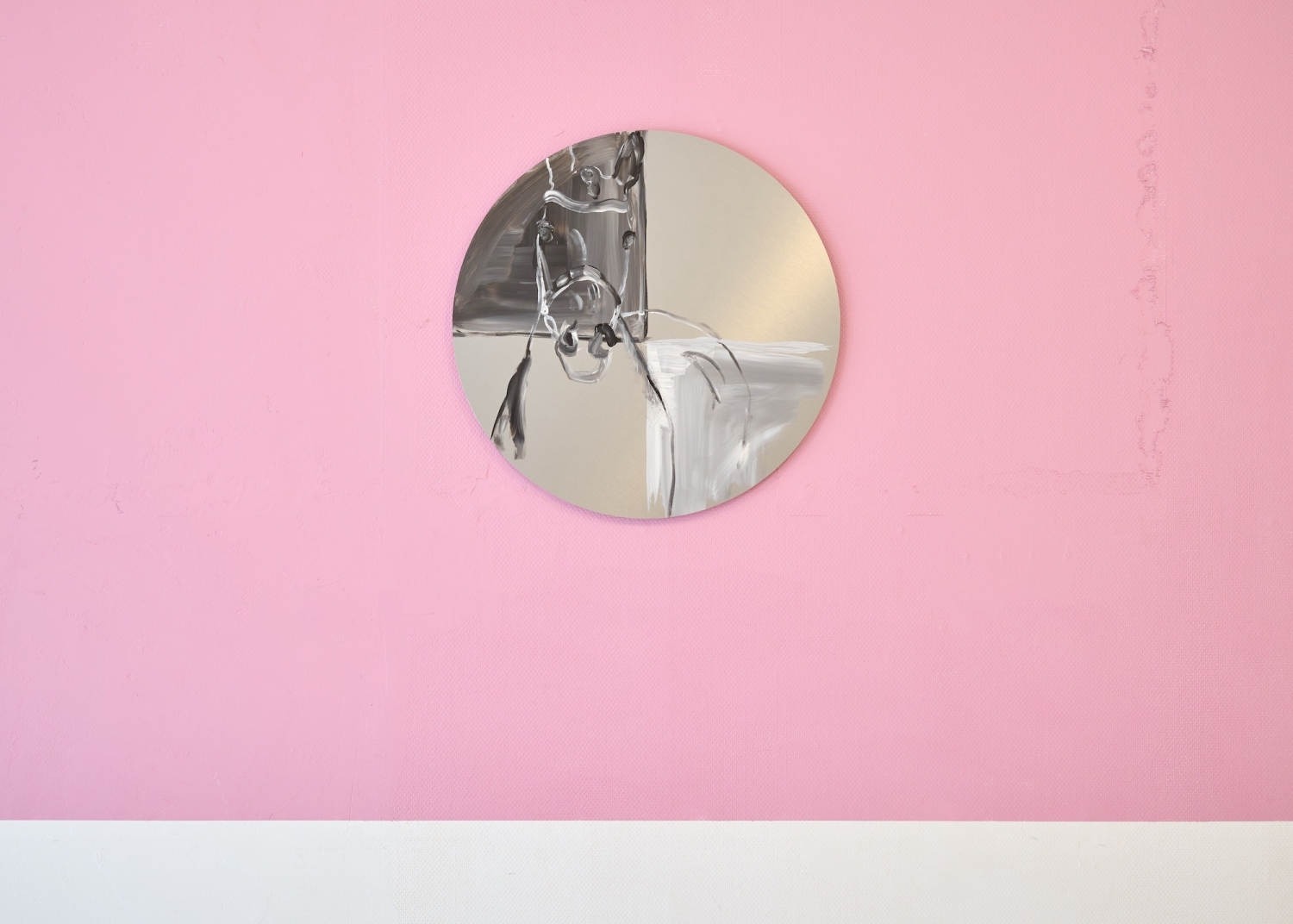
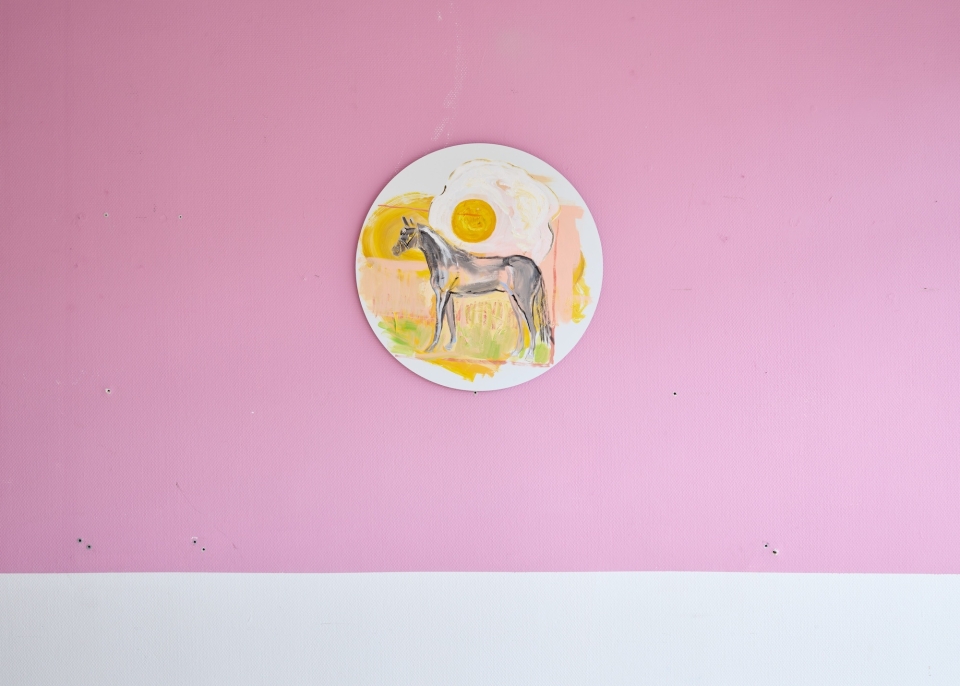
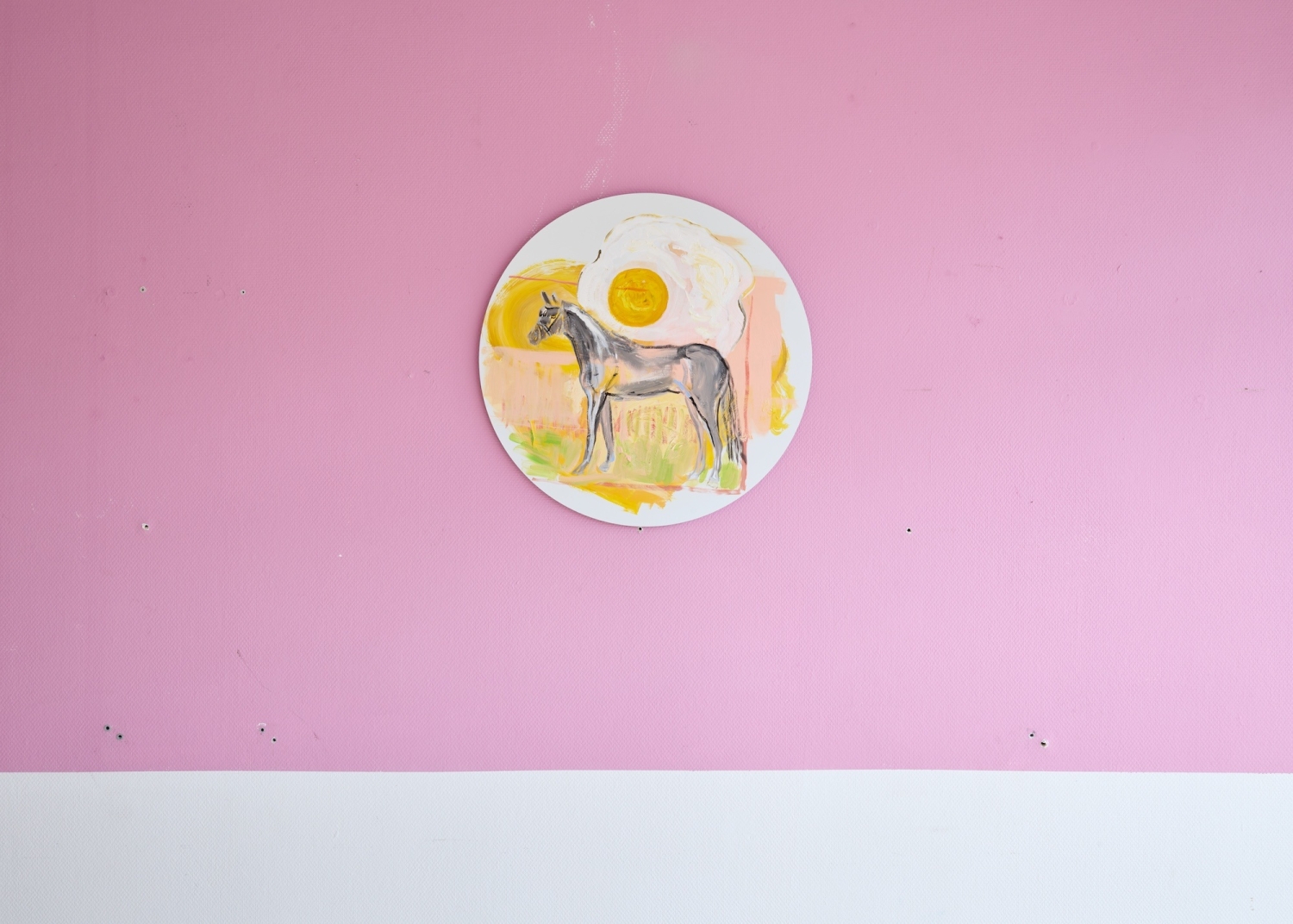
In her paintings, Maximiliane Baumgartner uses aluminium dibond as a ground. It allows her to determine form and context conceptually and to understand them as integral to the painterly process. She is interested in engaging with an image-producing medium as part of a critical image practice.
Baumgartner's PS series (2024-) is an ongoing series of paintings featuring circular, car tyre-sized works named after contemporary Olympic dressage horses. The horses portrayed – historically shaped by concepts such as discipline, harmony and competitiveness – act as vessels and placeholders for questions of national constructions of success and neoliberal promises, as the names of the horses, such as All At Once and Total Hope, also suggest.
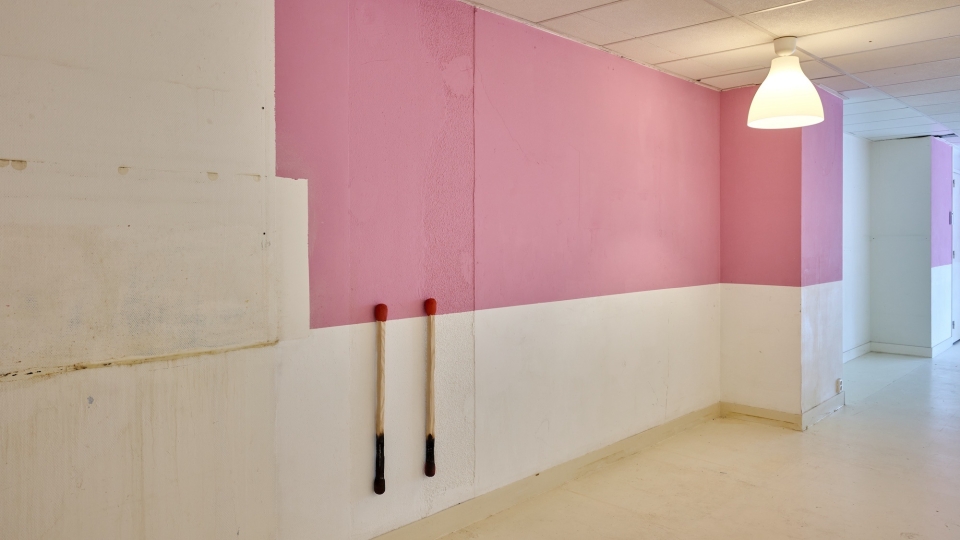
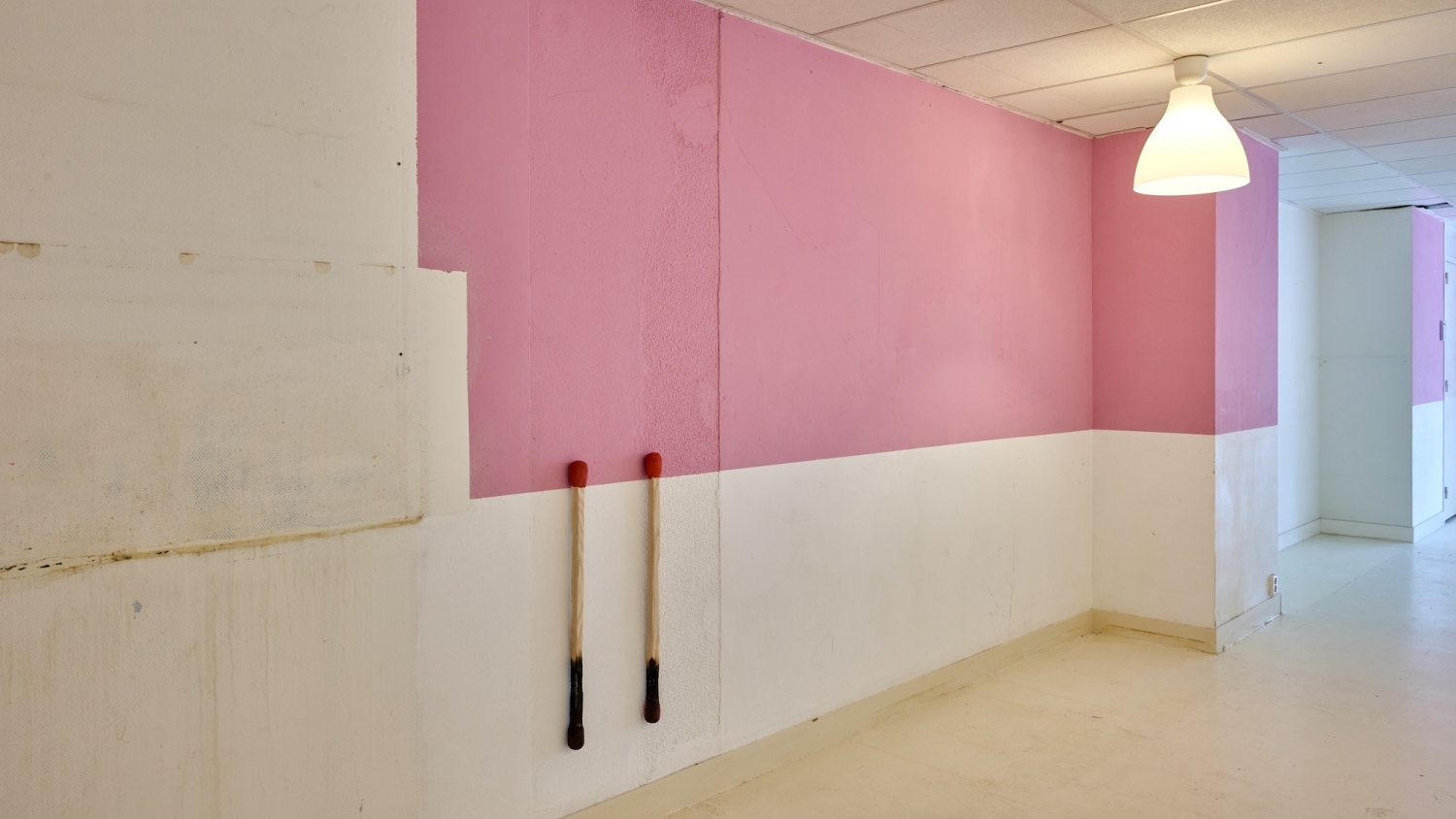
Gabriel Kuri's Error Bars are a series of oversized matchsticks—carved from wood, finished with mixed media, and shown in various states from unlit to charred—distributed across multiple festival locations (Rib, Oude Kerk Charlois, Attractiepark Rivoli, Stone Shop, and Art Rotterdam), where they became a recurring motif that draws attention to the brittle beauty of the everyday. To read more about the work, refer to the documentation of the Oude Kerk location.
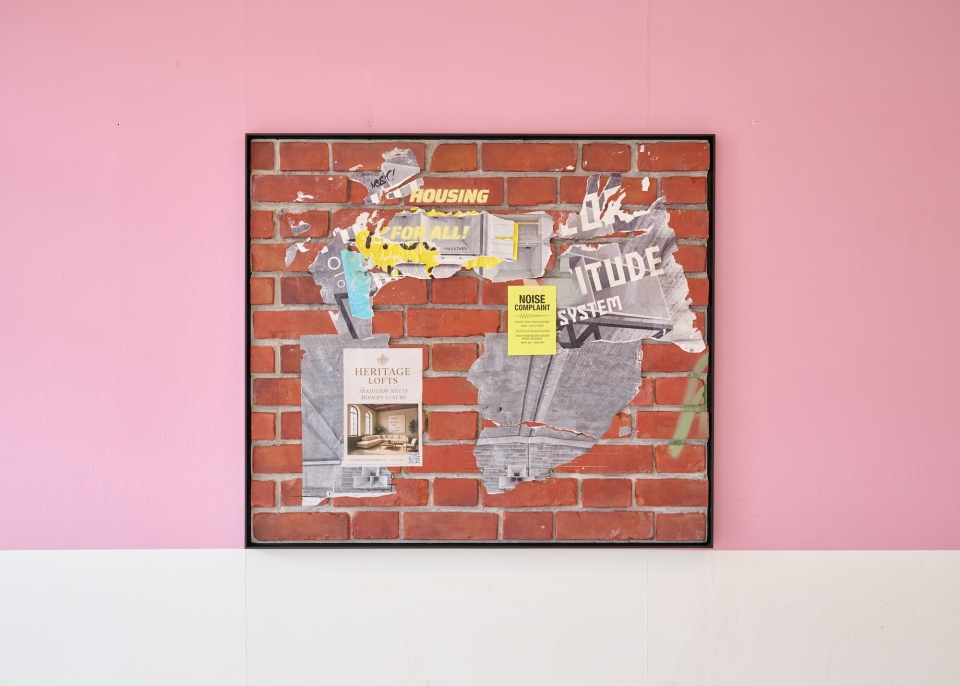
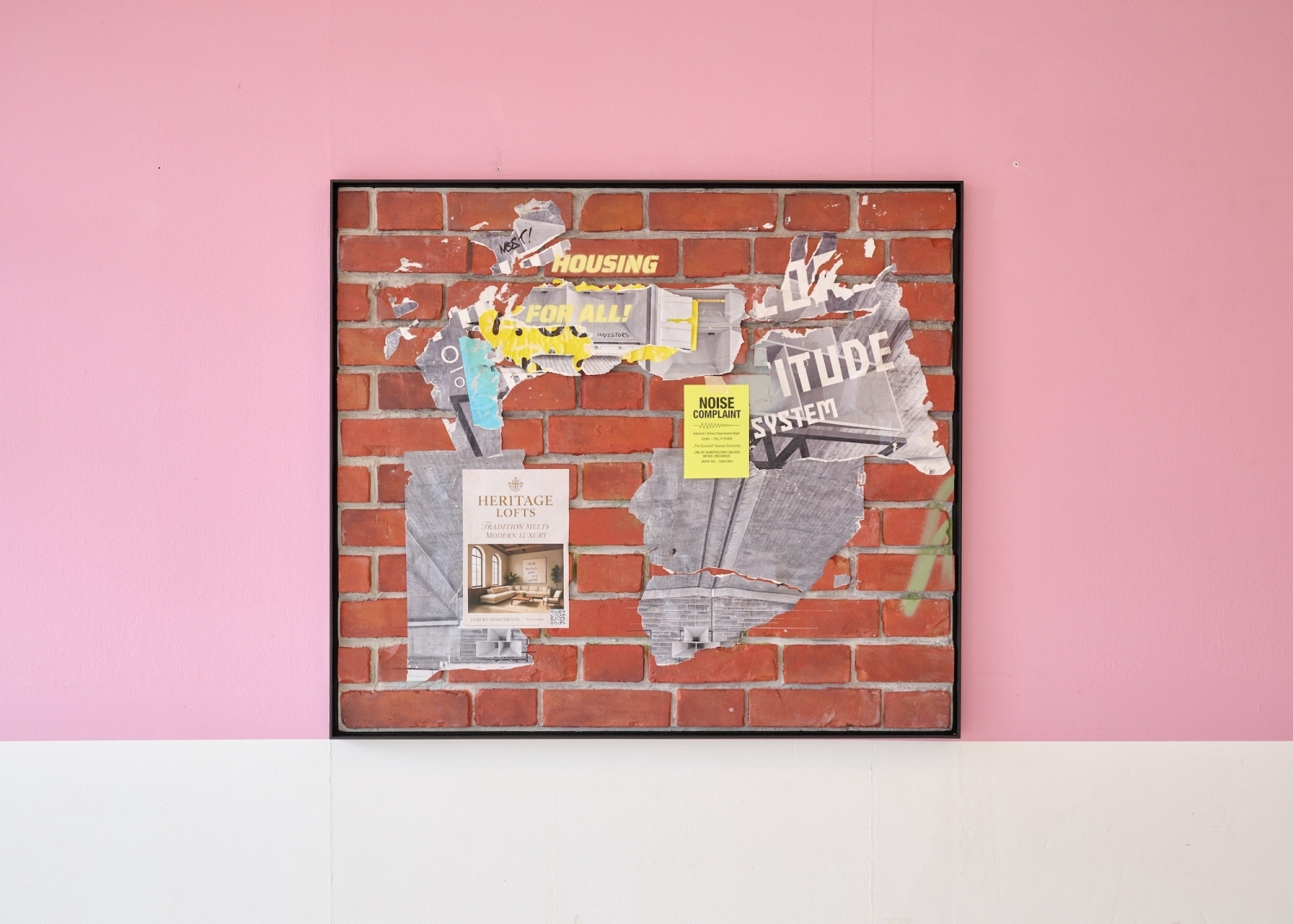
Your Airbnb Was My Home by Daniel Laufer is part of Palimpsests of the Present, a series of wall-like panels situated between painting, relief and film set. Built from flame-retardant Styrofoam used for theatre and cinematic scenery, the works are painted as brick surfaces and layered with graffiti, stencilled slogans, torn posters and handwritten interventions. Political speech, advertising language, melancholic fragments and ironic commentary collide across these surfaces, turning the wall into a contemporary palimpsest of urban materiality. Conceived as autonomous works while also functioning as scenic elements within a film, the panels oscillate between abstraction and social inscription. Marked, overwritten and interrupted, they shift the visual codes of public space into a painterly and cinematic register. What emerges is an unstable architecture of feeling in which resistance, desire, projection and humour remain visibly entangled, and where the wall itself becomes both image and stage.
Your Airbnb Was My Home was also part of Daniel Laufer's solo exhibition The Architecture of Story, curated by Kunsthalle Lingen and hosted by Rib from 18 April to 6 June 2026.
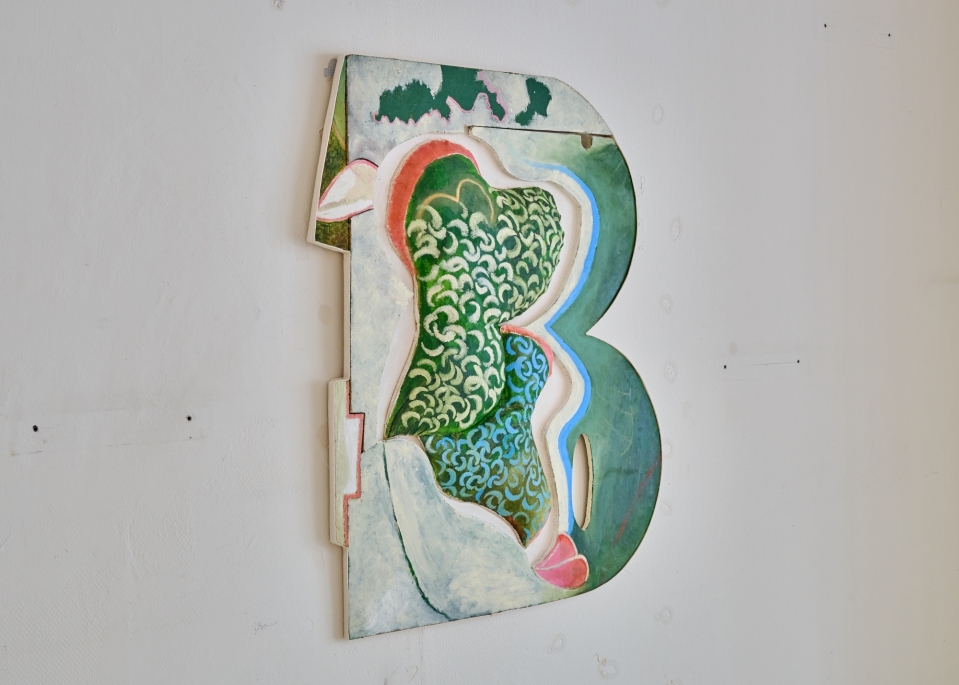
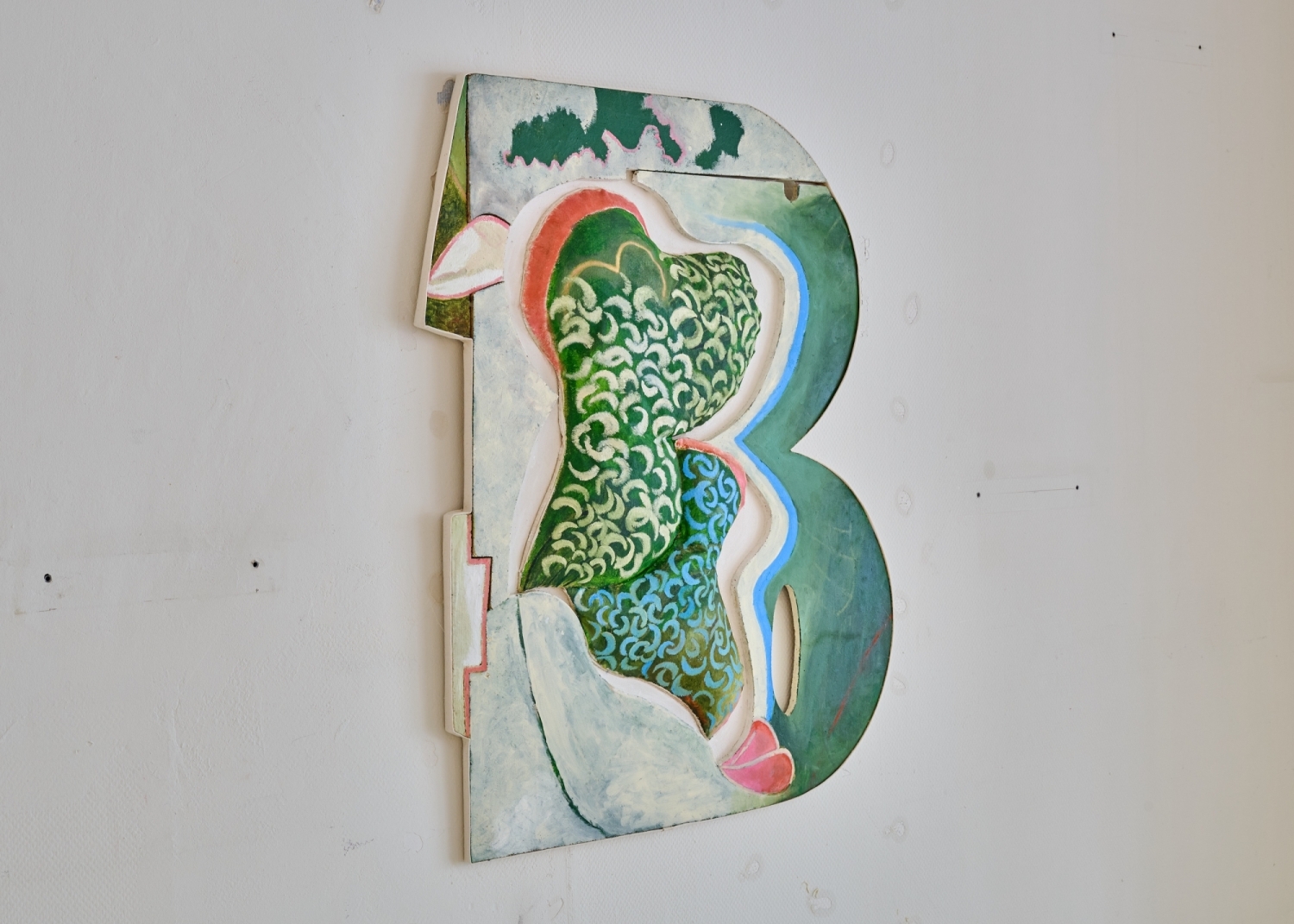
Nie Pastille’s work begins with fragments of random gestures. It feels familiar, awakens memories, triggers moods, but remains open. Colors, shapes, bodies, structures - they open up worlds that cannot be explained, but felt. Like a walk-in dream world that is not always gentle. What holds the work together is affection and care – less a theme, more an inner force. It conveys a feeling of being safe and secure that is not tied to a place, but to closeness and connection. Other artworks by the artist were presented at Rib, Art Rotterdam, Oude Kerk Charlois, Attractiepark Rivoli Rotterdam.
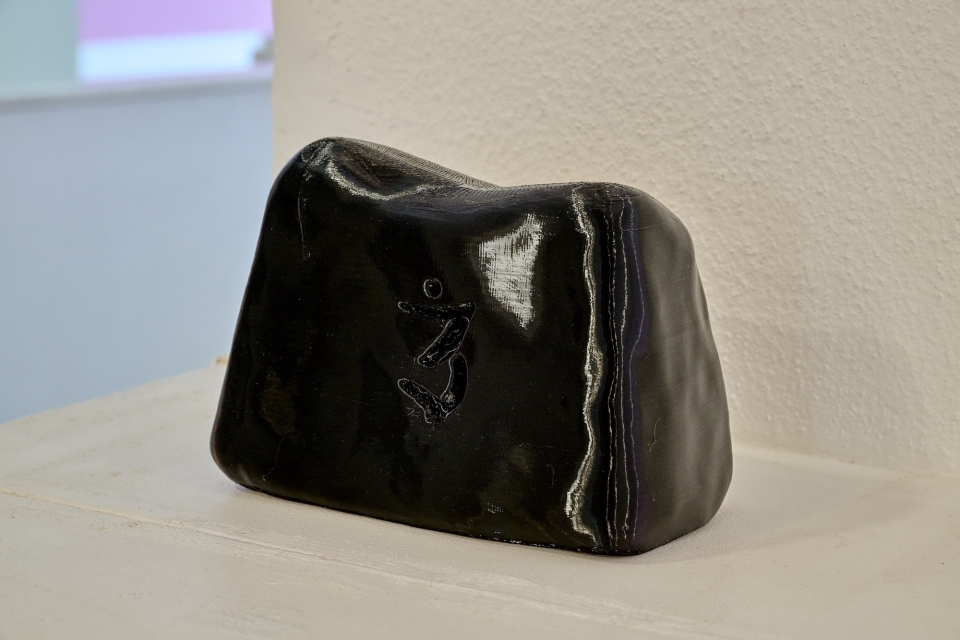
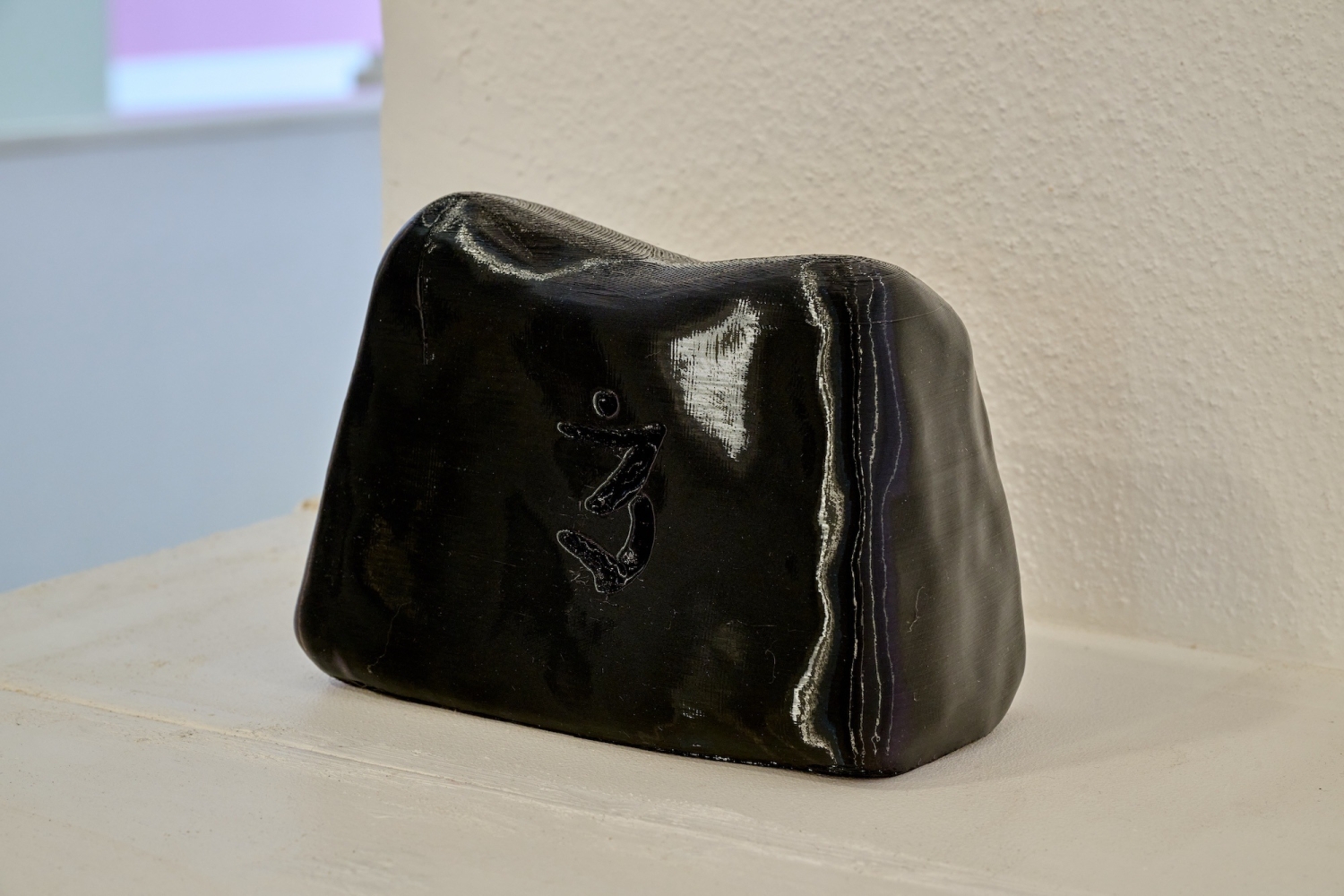
Chloé Quenum's work at Planet Cake Rotterdam belongs to her series Low Light Rituals, which reimagines traditional headrest forms from West Africa, Asia, and Oceania as 3D-printed objects. Sitting between ritual artifact and speculative fiction, the hollow headrests use a technology of mass reproduction to revisit forms shaped by colonial history. Other works from the series have been shown at Kapsalon Charlois, Subway Pool Café, Oude Kerk Charlois, Attractiepark Rivoli Rotterdam, and Art Rotterdam. Those who want to read more can find further information on the Oude Kerk documentation page.
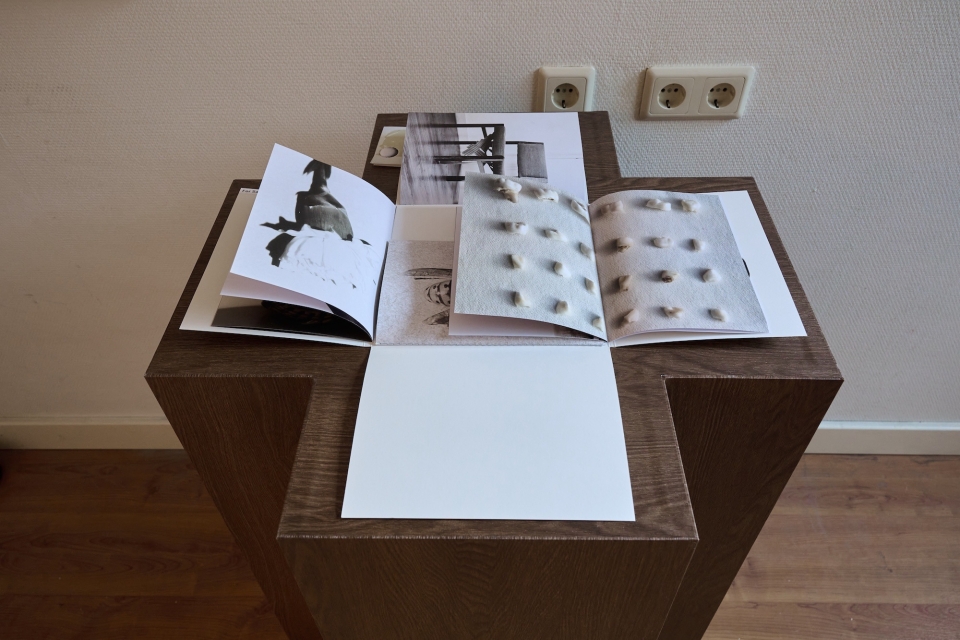
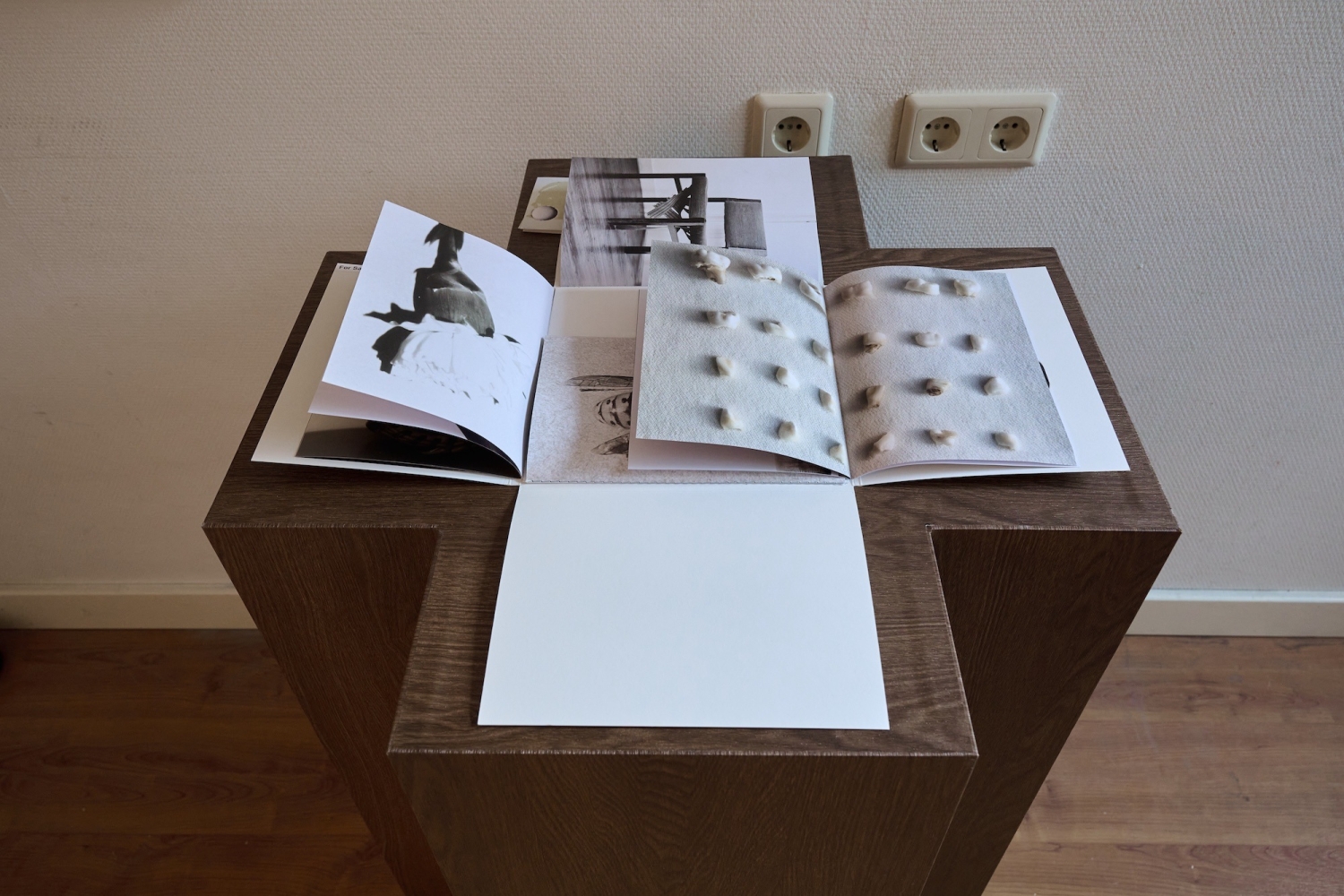
‘Why do we always need words to understand each other?’ is the question Adriënne Verburg continually asks herself. For her, language is an inexhaustible source of inspiration. With her book FekieFikie, she aims to break away from traditional reading by making the pages themselves images and by allowing the book to be opened from four different sides. There is no fixed direction to follow. Instead, she wants to create space for different ways of seeing and for what emerges when images are combined. She plays with the tension between the universal desire to be understood and the freedom of not always needing to be understood.
Basement
In the basement, we presented the work of four photographers (Lucy Azatyan, Martha Olech, Ken Stoové, Fowru, Noor van der Wal) who, over the past two years, have received the HKU Keep an Eye Photography Stipend. The HKU Keep an Eye Photography Stipend is a collaboration between the Utrecht School of the Arts (HKU) and UNSEEN. It supports recently graduated photographers who approach the medium through research and explore the boundaries between disciplines. In this presentation, the camera is explored as an instrument of both research and exploitation. The role of research as a form of categorisation is brought into relation with the medium; through that lens, histories and trajectories of migration, colonisation and cultural archives are questioned and documented, making the blind spots of the medium visible. The participating photographers were coached by Esther Kokmeijer, Daria Tuminas, Inas Halabi, Sara Blokland, Bernke Klein Zandvoort and Kevin Osepa.
Artworks:
Lucy Azatyan, Վիճակ (Vichak), 2025
Martha Olech, a stone is a pillow, 2026
Ken Stoové, Fowru, 2025
Noor van der Wal, Arctic Archives, 2026
Lucy Azatyan', Martha Olech', Ken Stoové', Adriënne Verburg', and Noor van der Wal' works were presented in collaboration with HKU Keep an Eye Photography Stipend.
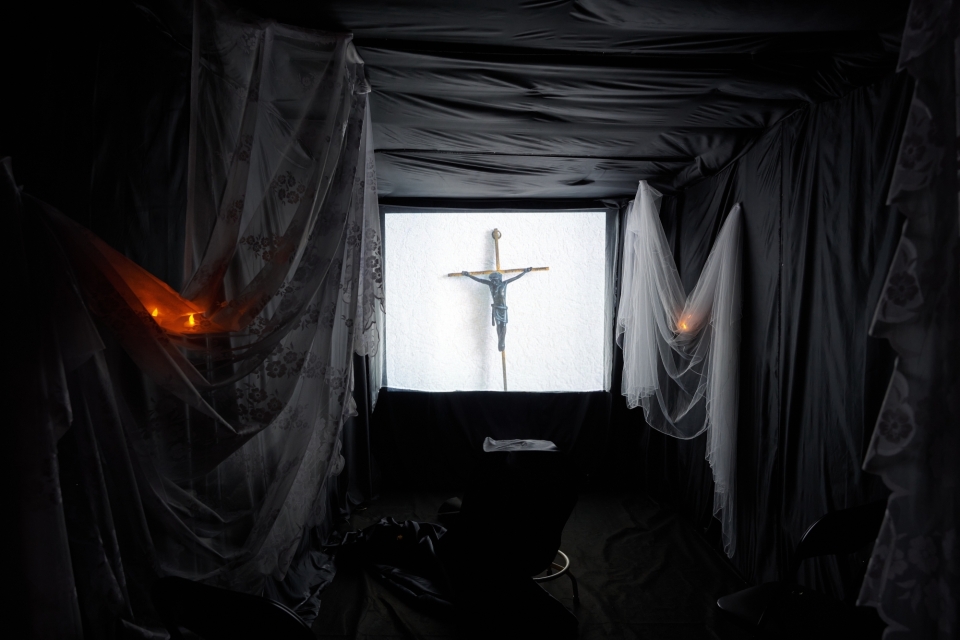
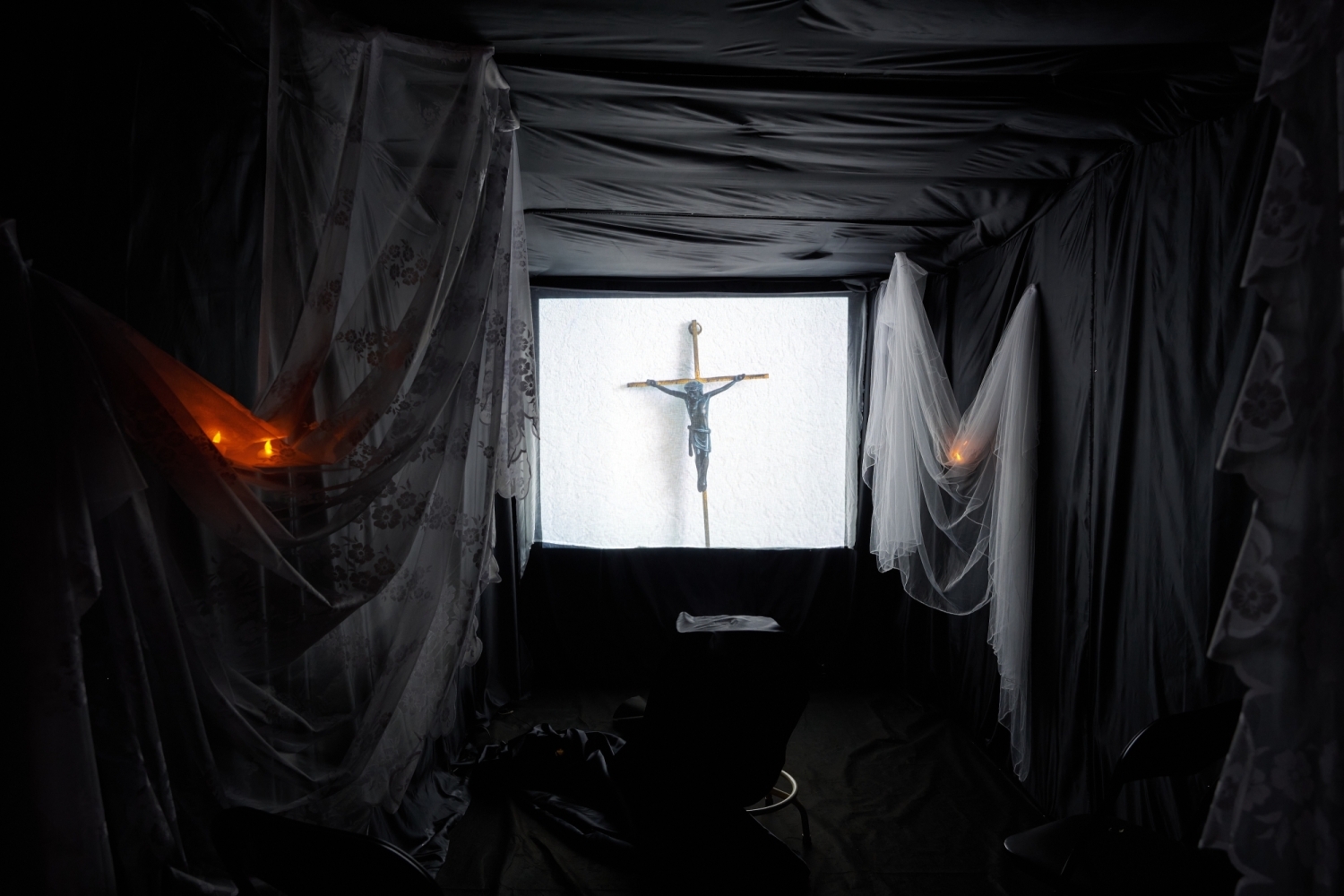
Lucy Azatyan's Վիճակ (Vichak, Armenian for “condition” or “state of being”) is a visual poem reflecting on a period in the artist’s adolescence in Armenia, when her family was forced to remain hidden under unsafe political circumstances. Rather than functioning as a memory that can be narrated, this time existed as a condition shaped by silence, restriction, and uncertainty. The installation examines how such conditions persist beyond their original context, reappearing through migration as habits and ways of being that continue even when they are no longer necessary.
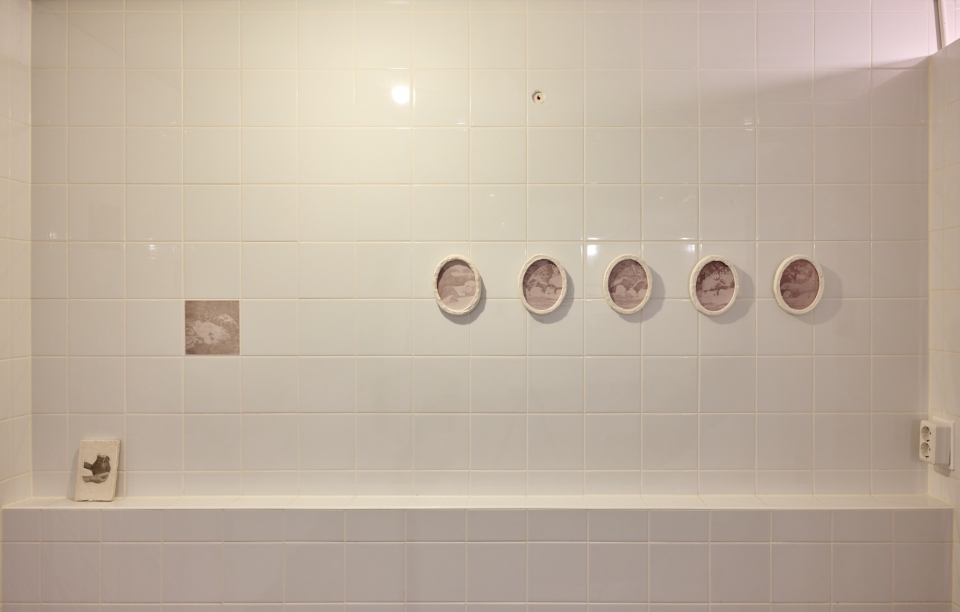
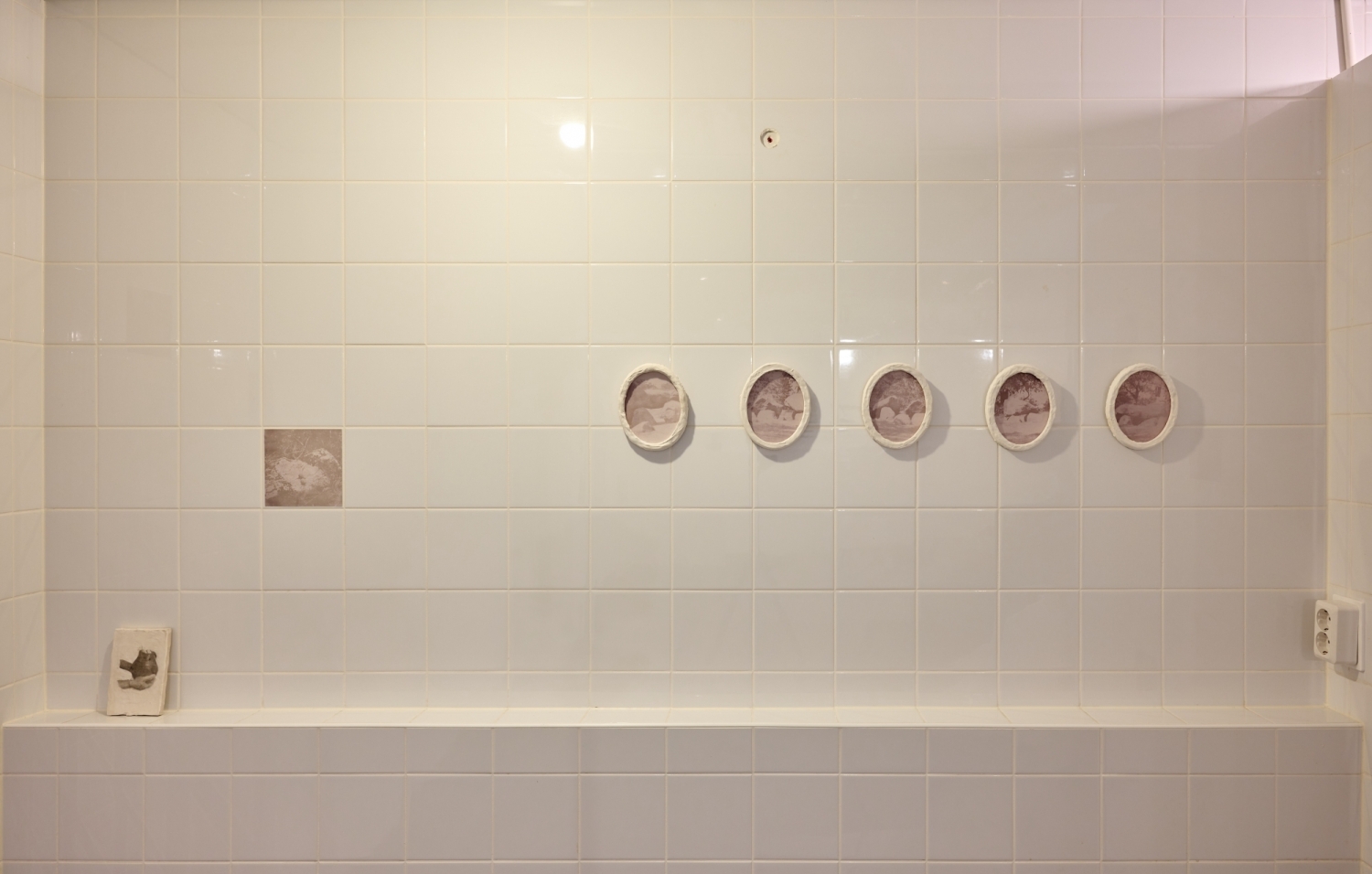
Martha Olech's a stone is a pillow asks the question: "Could hard surfaces be places of care, intimacy, and temporary refuge?". Carrying and preserving are approached in this installation as collective acts that reveal how responsibility extends to what and who remains.
Ken Stoové’s graduation project and the publication dummy Fowru (July 2025) explore family stories as a means of connecting with his Javanese-Surinamese heritage. At its core is the migration of his late grandfather from Suriname to the Netherlands which Stoové aims to honor both in the research and the work itself.
This project gave rise to a presentation that traces Stoové’s inner and physical journey to Suriname: a place he had never visited before, yet one that lives vividly in his imagination, shaped by passed-down stories, texts he has read, and dreams. By bringing together older and recent work, a dialogue emerges between the periods before and after his visit to the country. Suriname serves as a symbol of origin, identity, and a possible homecoming, but also of uncertainty and the question of whether he might still feel like an outsider there, on the edge of his own roots.
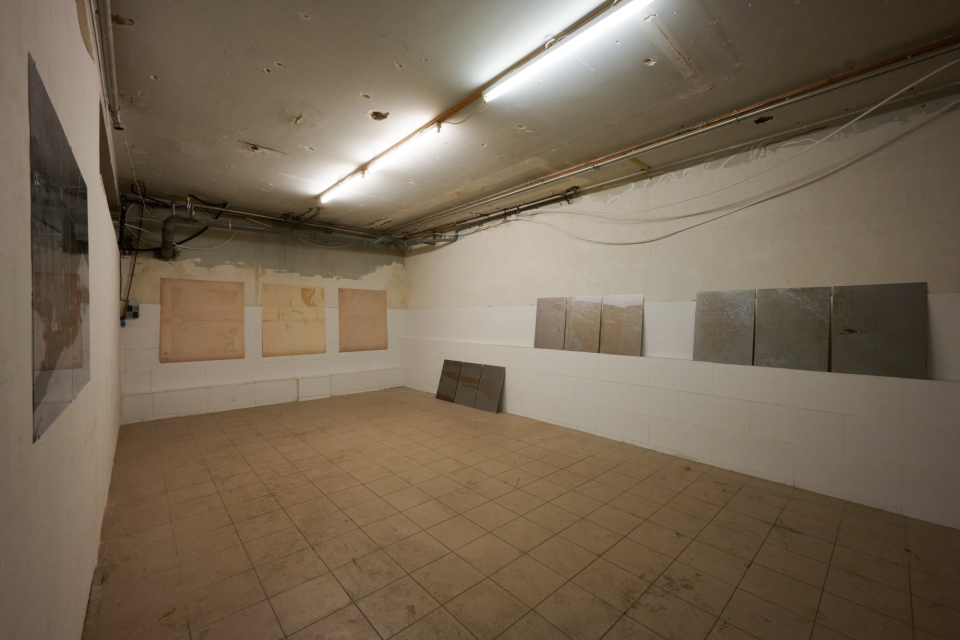
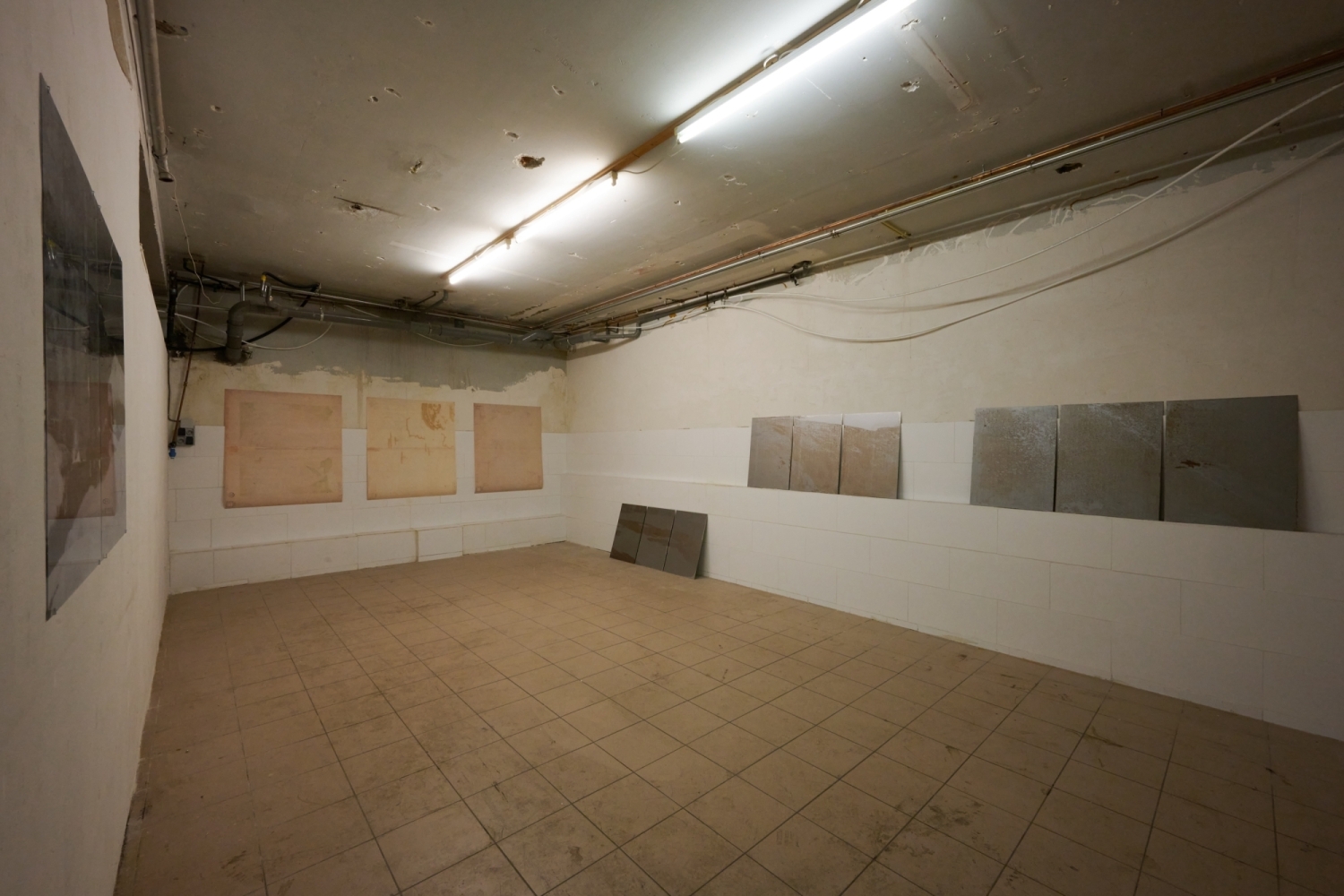
By taking Arctic Archives as a starting point, Noor van der Wal researches the relationship between the exploration of landscapes and their documentation. Traces of time manifest themselves through decay in these stored archival matter. Rather than treating degradation as a flaw, the artist works with it as a way to show the vulnerability and changeability of the materials that preserve history.
Vicente Baeza (1992, Santiago de Chile) lives and works in Amsterdam. He studied art at the Pontificia Universidad Católica de Chile (2016) and completed the post-academic program De Ateliers (2022) in Amsterdam. He has taken part in residencies such as the Artists’ Research
Laboratory (CSAV) at Fondazione Antonio Ratti (Como, 2023) and the graphic techniques workshop at Make Eindhoven (2024). His work is rooted in a process-based practice that often begins blindly, without a pre-planned image, trusting that the act of making, contaminating, and experimenting will eventually crystallise into form. The way his (coloured) marks are imprinted on surfaces is key. For instance, he has submerged materials in ponds for days, created rollers with material-reliefs he prints with by walking on them, or dragged a large surface through the streets pressed with his mattress. He sees his work not as finished pieces, but as open problems to be revisited in future works.
Maximiliane Baumgartner (b. 1986) develops research-related series of works in the medium of painting. Drawing from urban contexts and an interest in forms of counter-publicity—which she understands as both sites of production and presentation—she develops critical questions and operational frameworks within painting as an expanded field of action. Baumgartner most recently exhibited at n.b.k. Berlin (2025), the Kunstverein Nürnberg (2024, solo), the Kunstmuseum Bochum (2024), the Museum of Modern Art, Warsaw (2024), the Galerie Max Mayer, Düsseldorf (2022, solo), the Kunstverein München (2021, solo), the Galerie kaufmann repetto, Milan / New York (2021). She has been a visiting professor for painting at the Kunsthochschule Mainz since 2025.
Daniel Laufer works across painting, film, installation, sculpture, and performance, constructing intermedial constellations from historical and contemporary filmic techniques, language, painting, and stage design. Having worked as a scenic painter before studying art, his installations carry a material specificity — props, storyboards, and built environments are not incidental to the moving image but structurally inseparable from it. His films resist the logic of seamless narration; instead, they fracture temporal continuity, exposing the gaps, cuts, and silences through which storytelling reveals its own construction.
Gabriel Kuri was born in 1970 in Mexico City, Mexico. He studied at Goldsmiths College in London and at the Escuela Nacional de Artes Plásticas, UNAM in Mexico City. The artist lives and works in Brussels. Gabriel Kuri’s œuvre encompasses diverse media including sculpture, collage and installation, often using repurposed natural, industrial, and mass-produced objects (insulation foam, shells, soda cans, stones, or ticket receipts, for instance) to craft eloquent works of art. Kuri’s works often include traces of past human activities, such as empty bottles or cans, cigarette butts or ticket stubs. They function as signs of spent time, energy or currency — a recurring theme in the artist’s work.
Nie Pastille lives and works in Cologne. The artist attended the Sandberg Institute in Amsterdam and the University of Fine Arts in Arnhem. Pastille's paintings on linen and chipboard take the form of unconventionally constructed wall objects: canvases are sawn apart and reassembled into rounded, irregular shapes with soft edges and open partitions, sometimes incorporating painted stuffed linen cushions or papier-maché elements. Drawing is central to her process, often informing the origin of a work. Colorful and dreamlike, her compositions move between esoteric imagery and psychedelic figuration.
Chloé Quenum (1983, Paris) explores the circulation, slippage, and transformation of meaning through graphic, linguistic, and symbolic elements drawn from different cultures. By extracting them from their original context, she endows them with a new consistency and vitality, as if transmuted as kind of glitch. Her works become material signs, assemblages of mixed origins where references shift and free themselves from fixed frameworks of interpretation. The artist questions how displacement, translation, and transfiguration reshape our relationship to objects, symbols, and narratives. Through this process of extraction and reconfiguration, she reveals the tensions between memory and erasure, inheritance and reappropriation, transmission and resistance. Crossing the boundaries between disciplines and traditions, Chloé Quenum constructs a cryptic language in which each form acts as a vector of poetic and political resistance. Her works interrogate the evocative power of symbols, their ability to generate new narratives and to make long-silenced or scattered histories resonate.
Lucy Azatyan (1995) is a visual artist working with film and installation. Her practice is rooted
in personal and collective memory, focusing on themes of home, displacement, silence, and
inherited patterns of behavior shaped by migration. Drawing from her experiences growing
up in Armenia and later migrating to the Netherlands, she examines how formative
conditions leave traces beyond memory. Her work bridges contemporary art and fashion with traditional cultural elements, using a restrained visual language that moves between the documentary and the symbolic. Her graduation project Echoes of Home was awarded both the 2024 Keep an Eye Foundation Award and the HKU Award 2024.
Martha Olech's artistic practice revolves around the question of how we as humans can heal and what we can learn about it from the more-than-human world. Her research draws from archival images and continues with the search for a dialogue between photography, printmaking processes, and sculpture. Ancestral and contemporary forms are brought together, creating a non-linear reality.
Ken Stoové (1999) is an artist and photographer based in Utrecht. He graduated in 2025 from HKU, Photography, where he received the HKU Keep an Eye Stipendium for his graduation project Fowru.
Adriënne Verburg (Hengelo, 2000) lives and works in Utrecht. She graduated in 2025 with a bachelor’s degree in Photography from the HKU. For her graduation project she was awarded with the HKU Keep an Eye Photography Stipendium, a talent development scholarship for promising photography students.
Noor van der Wal explores the tension between humans and nature, reflecting on the destructive power of both. Themes of disappearance and reappearance recur through her practice, both conceptually and within her installations and analog photographic process.
Agence de Voyages is an art space founded in 2024 in Paris. Its distinctive feature is its precise and subtle alteration of the perception of art and exhibitions, achieved through its careful placement on an ambivalent threshold where aesthetic delight and critical deconstruction can occur simultaneously. Therefore, it deploys a plethora of strategies involving border-crossing and -suspending within the context of a gallery. These include confronting the interiority of the living space with the exteriority of the commercial sphere; combining classical framing, hanging and installations with unconventional concepts of display and social engagement; and reflecting the relationship between art and literature, intermingling publishing and exhibiting practices. Agence de Voyage is a space which aims to infiltrate contemporary issues into historical formats such as painting and the novel and vice versa. On an analytical level the gallery wants to playfully separate interpretative historical frameworks from their respective disciplines and apply them to other forms of expression. The space showed artists like Monica Bär, David Medallal, Mimosa Echard, Jean-Luc Blanc, Chloé Quenum, Stefano Faoro and Birgit Megerle.
De Ateliers is an international institute for the development of emerging visual artists, founded in 1963. The institute focuses on mentoring young artists through residencies and an intensive guidance program led by established artists. The program focuses on individual practice, research, and discussion, and the institute also hosts public lectures and
exhibitions.
Esther Schipper founded her first gallery in Cologne in 1989. After German reunification, she opened a satellite space in Berlin in the mid-1990s, where it has since developed an influential international program. Since then, the gallery has expanded globally, integrating Johnen Galerie in 2015 and opening spaces in Seoul, Paris, and New York. Its activities extend beyond exhibitions to include lectures, performances, and events, reinforcing its role as a discursive space for experimentation.
The HKU Keep an Eye Photography Stipend is a scholarship for artists who work with the photographic medium. Founded in 2020, it mentored over 15 photographers, working with a.o with Sema Bekirovic Sara van der Heijden, Inas Halabi, Sara Blokland & Raquel van Haver. The work period offers each of the fellows a collaboration and a fee to continue to develop their photographic practice over the course of a year.
JUBG is a Cologne based gallery for contemporary art, founded in 2020 by Jens-Uwe Beyer, Albert Oehlen and Alexander Warhus. In 2022, the gallery’s own label was added. JUBG wants to be understood as a space for conversation and inspiration that connects art and music, sound. JUBG passionately works with artists, musicians, writers, whether from the underground or acclaimed positions. The gallery program shows international artists and influential musicians combined in unique collaborations.
Kirchgasse Gallery was founded in 2016 in Steckborn, a small village at Lake Constance, Switzerland. Located near the border with Germany and Austria, the gallery is exhibiting international emerging and established contemporary artists. Kirchgasse is oriented towards a discursive program alongside an experimental approach. Its internal structure is driven by a collective approach.
Kunsthalle Lingen is a center for contemporary art in Lingen, presenting solo and group
exhibitions by national and international artists. Its program reflects developments in local, national, and international art, while its educational mission focuses on promoting and communicating contemporary visual art. The institution addresses socially and politically relevant themes such as ecology and digitalization, and complements its exhibitions with lectures, artist talks, and workshops.