


The Architecture of Story
Daniel Laufer
18.04.2026 – 06.06.2026 & Opening: 18.04.2025, 19:00
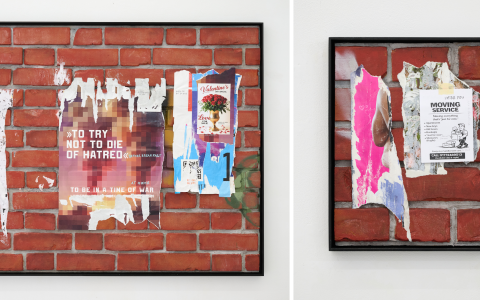
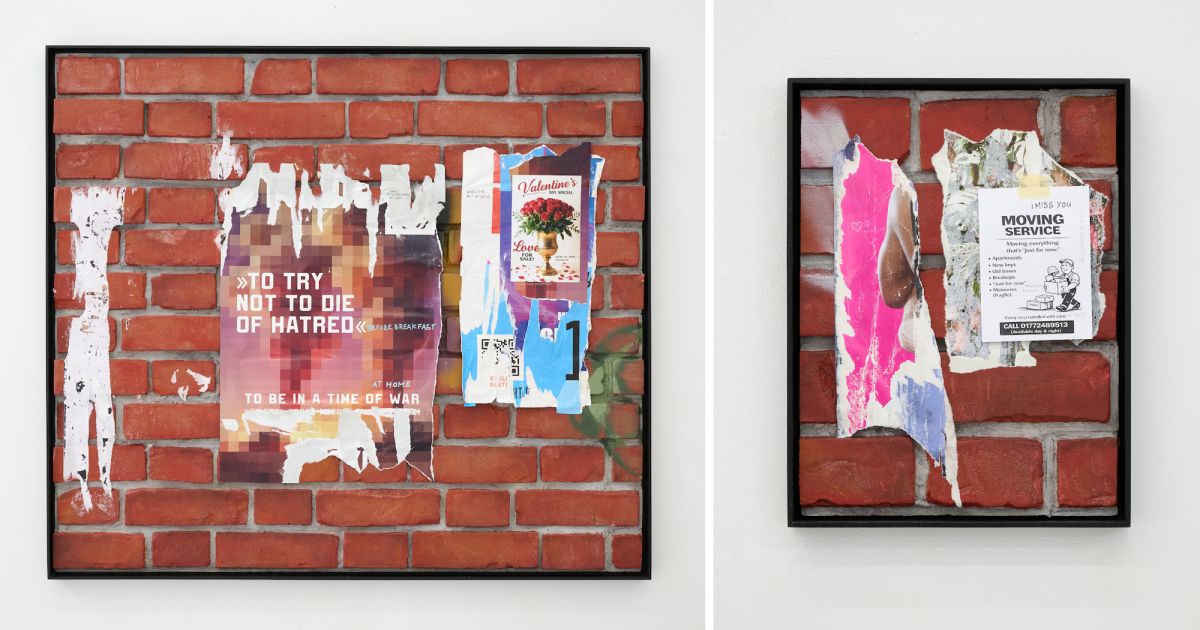
Rib is pleased to announce The Architecture of Story, a solo exhibition by Daniel Laufer, open from 18 April to 6 June 2026.
The exhibition opening will take place on 18 April at 19:00 at Rib.
The exhibition is curated by Kunsthalle Lingen and hosted by Rib, marking the first chapter of an institutional collaboration between the two organisations. Laufer's show at Rib runs simultaneously with his larger solo exhibition Time Fragments at Kunsthalle Lingen, which opens on 10 April and runs through 6 June. Together, the two presentations offer complementary perspectives on Laufer's practice across two very different spatial and institutional contexts.
The second stage of this collaboration will follow in 2027, when Rib curates a restaging of The Last Terminal: Reflections on the Coming Apocalypse at Kunsthalle Lingen, translating and extending the multi-year exhibition program that unfolded at Rib between 2021 and 2025 across three volumes and fourteen chapters into a single group exhibition.
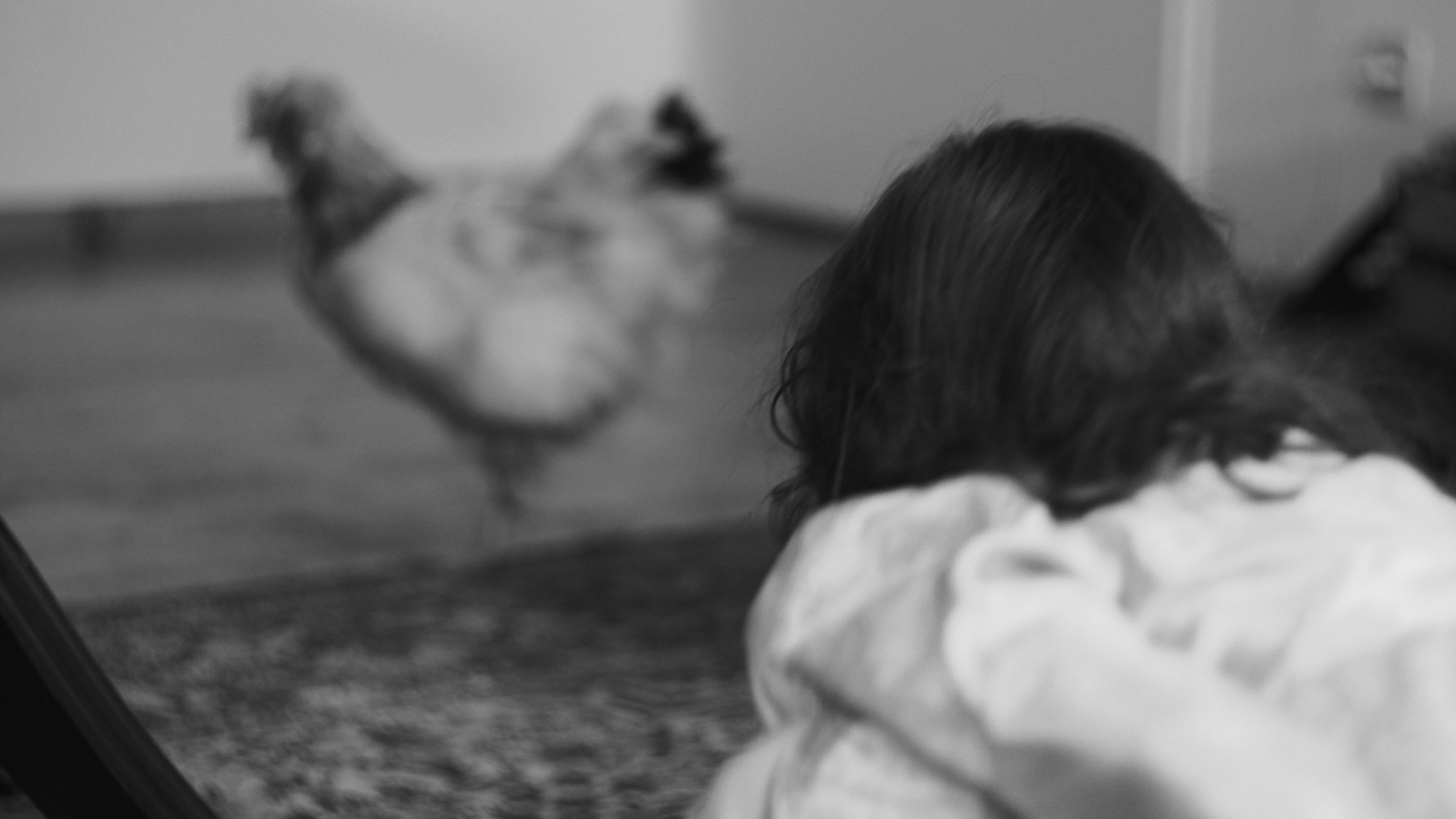
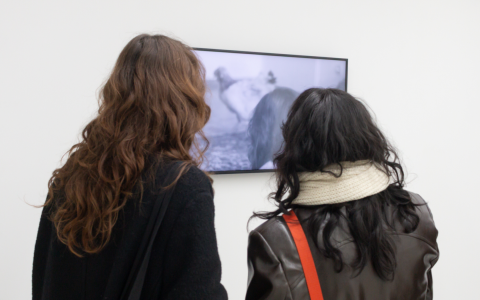
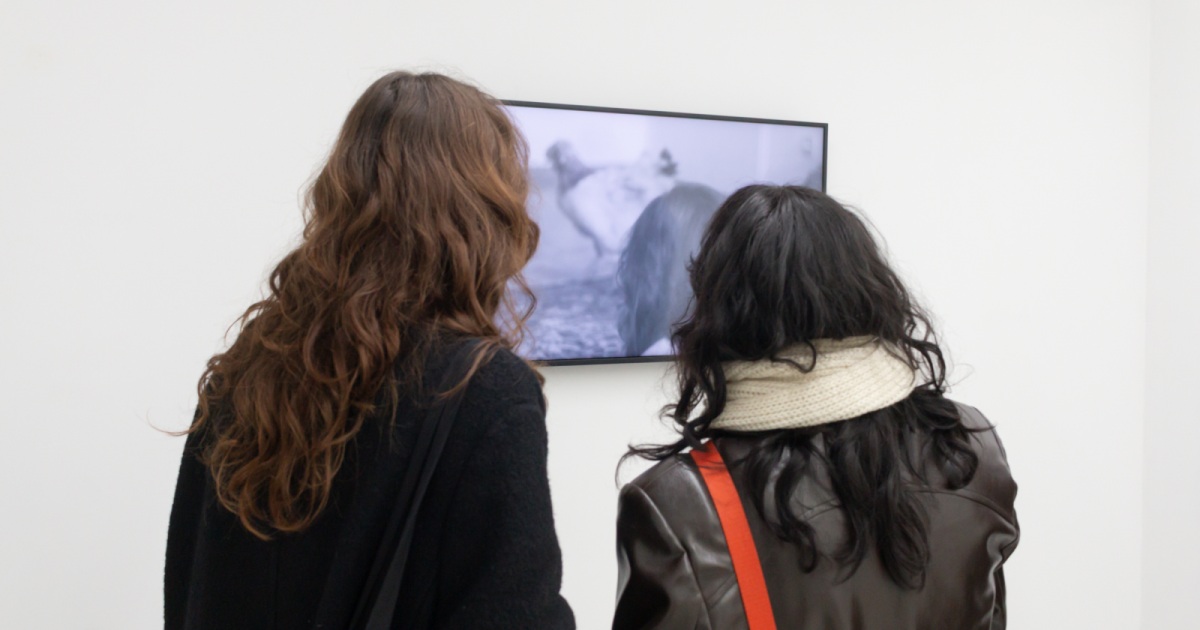
The film MacGuffin of a Daydream (2025) in this exhibition, follows the princess, a figure whose name already carries the weight of myth, the recurring protagonist of fairy tales and hero stories, through a classic arc of separation and return. Her father wants her back. Doctors are consulted. A wise woman is called in. But the wise woman does not come to fix her. She sits under the table. "I'm a chicken too," she says. "The best way to understand someone is to share their feathers, so to speak."
What unfolds is less a story about recovery than about the expansion of a self. The princess eventually sits at the table, puts on clothes, eats human food, but she remains a chicken. The film refuses to call this a cure.
The film is also an argument about stories themselves. Multiple voices layer over the images: an unreliable inner narrator, a worried father, medical professionals, the wise woman, and AI-generated voices. Between them they trace how storytelling structures thought: tribal narratives, the hero and his enemy, the mechanism by which one group is cast outside the human.
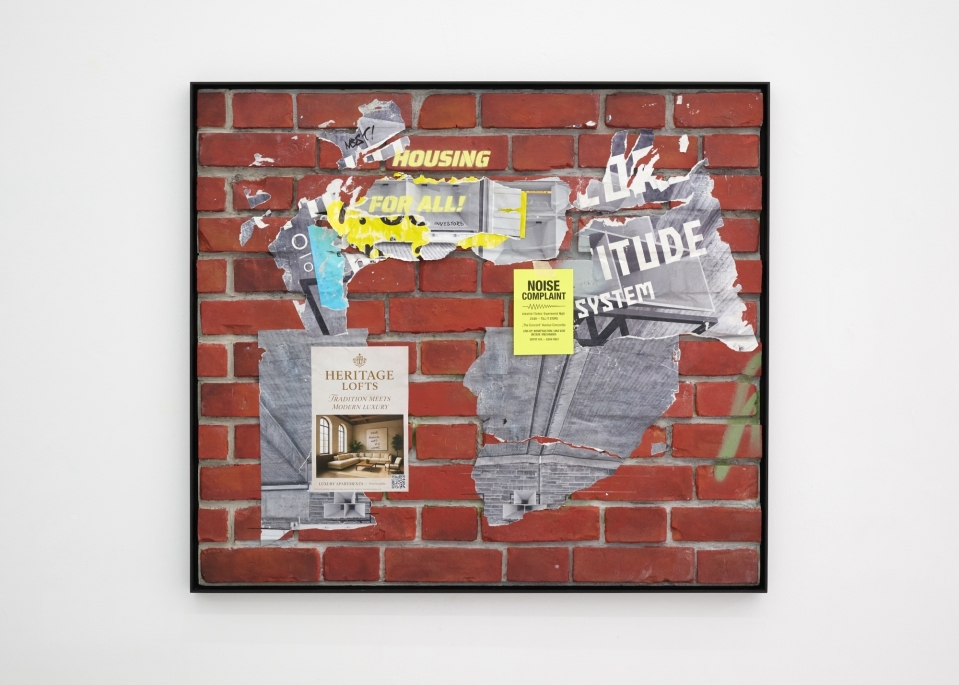
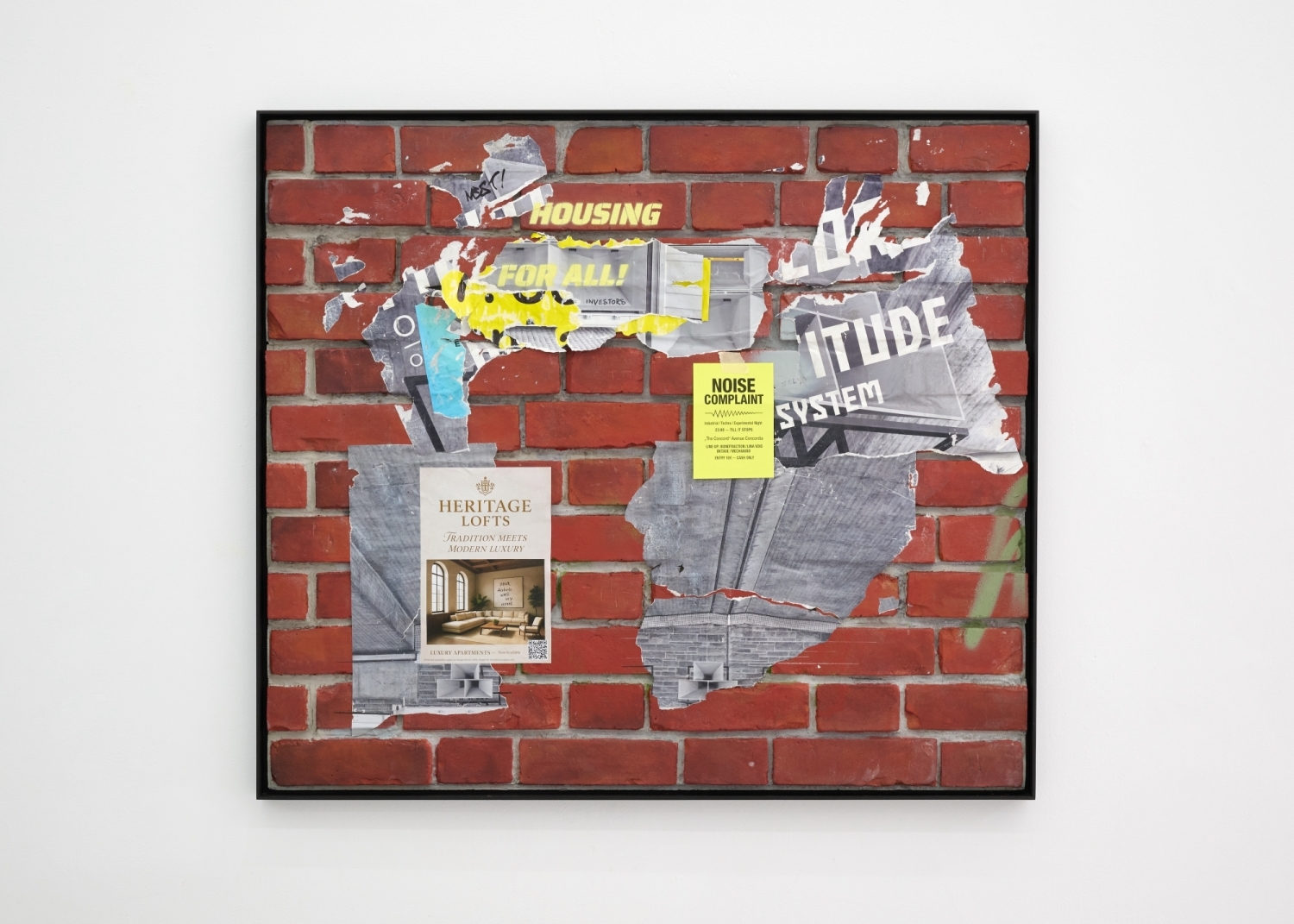
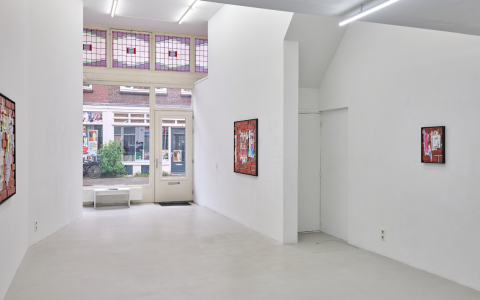
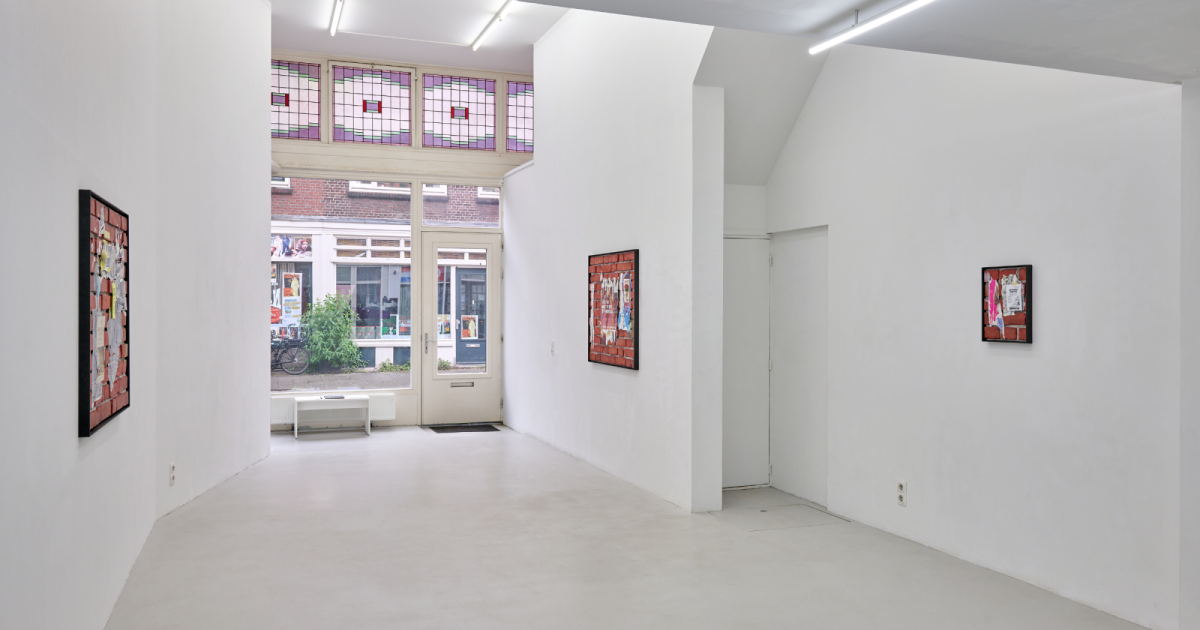
The three relief paintings extend this into a different register. Where the film's world is primarily the interior of a home, intimate, familial, a space that facilitates daydreaming and inner life, set apart from the pressures of the world outside, though itself not without antagonism, the paintings depict the street: anonymous hands placing fragments of their reality alongside one another, without knowledge of each other, without acknowledgement of each other either.
What appears as spontaneous accumulation is in fact carefully composed by the artist, a reconstruction of that impersonal social surface, its randomness deliberate, its arrangement considered. The two large paintings and the smaller I MISS YOU LIKE A DEADLINE (2026) together compose a social surface, disconnected voices that nonetheless form an image: at once flat and pressing outward into relief, a social fabric in impersonal, ongoing change, undecided, and yet from within that apparent disconnection a narrative begins to form, perhaps more revealing of the unconscious of a community than any intentional account could be.
The question of who belongs where, who is above or below, whose terms apply and to whom, runs structurally through both the film and the paintings without resolving. Importantly, this decisive suspension is structural, true to each medium. And yet the different media converse and extend into one another: the paintings appear within the film as props, objects present in the domestic interior, the street brought inside the film and into the space of Rib.
–Maziar Afrassiabi
April 2026, Rotterdam
Daniel Laufer works across painting, film, installation, sculpture, and performance, constructing intermedial constellations from historical and contemporary filmic techniques, language, painting, and stage design. Having worked as a scenic painter before studying art, his installations carry a material specificity — props, storyboards, and built environments are not incidental to the moving image but structurally inseparable from it. His films resist the logic of seamless narration; instead, they fracture temporal continuity, exposing the gaps, cuts, and silences through which storytelling reveals its own construction.