


Oude Kerk Charlois
Jakob Brugge, Gabriel Kuri, Nie Pastille, Zahra Pourghomi, Chloé Quenum
26. – 29.03.2026
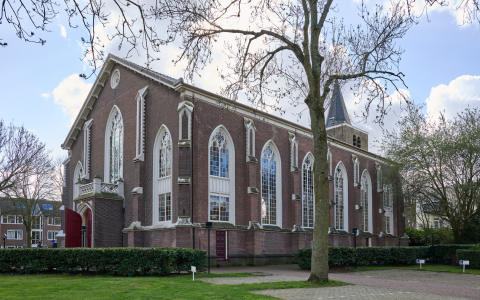
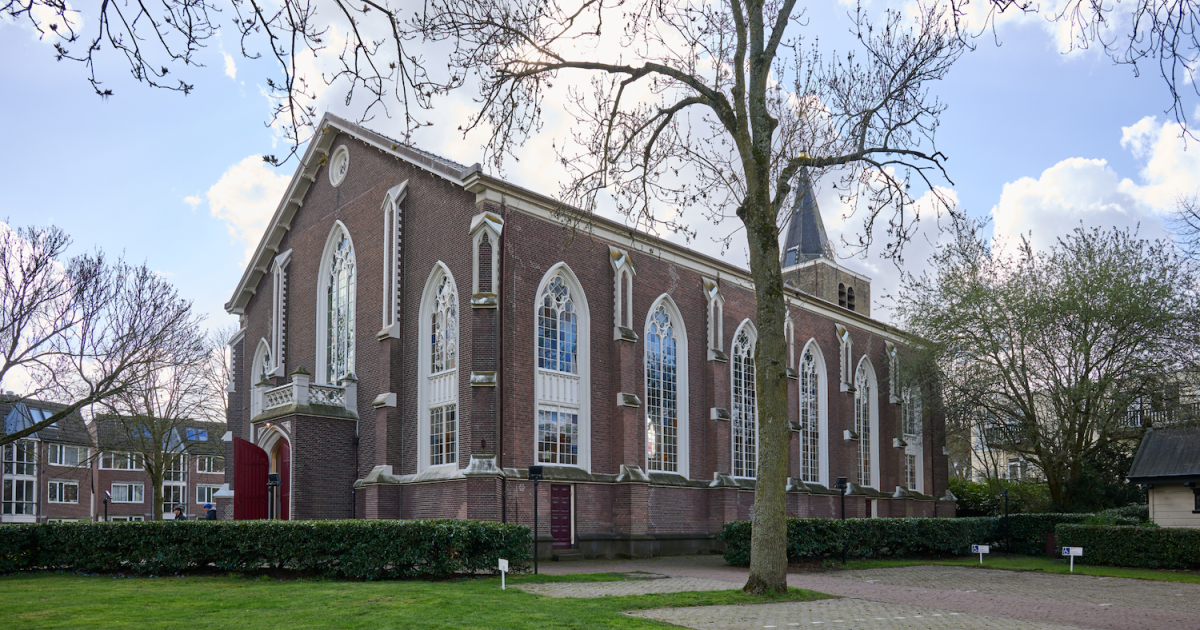
Oude Kerk in Charlois, March 2026. Photo: Frans Parthesius
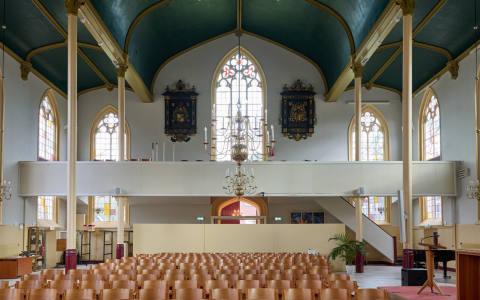
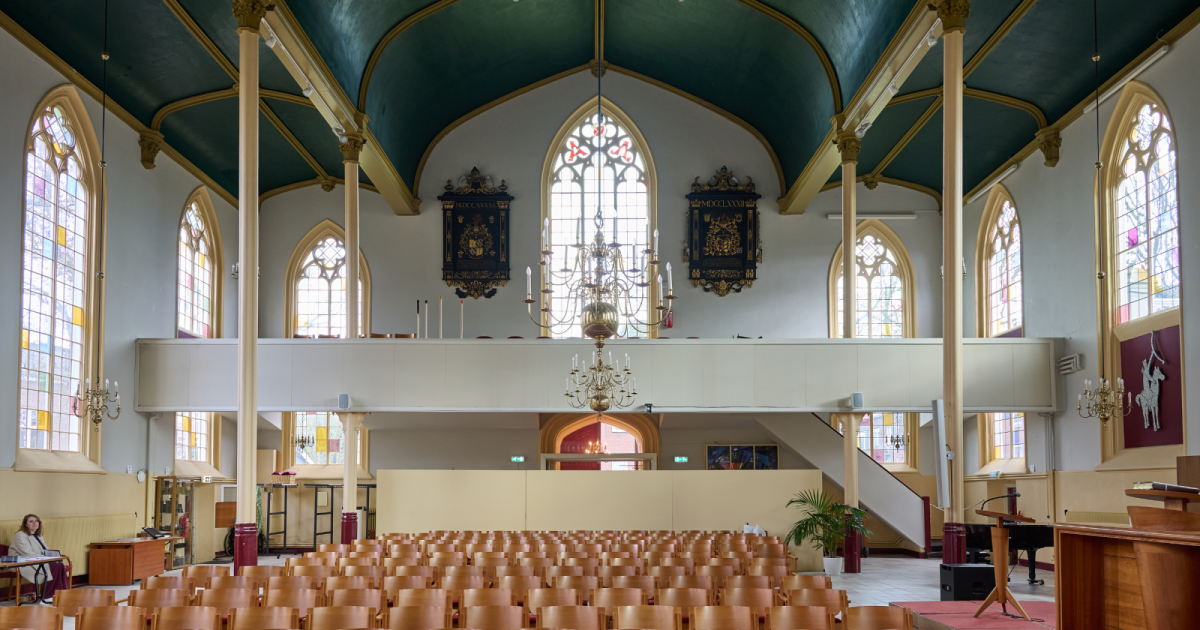
Oude Kerk in Charlois, March 2026. Photo: Frans Parthesius
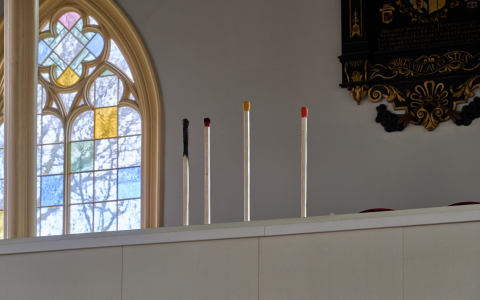
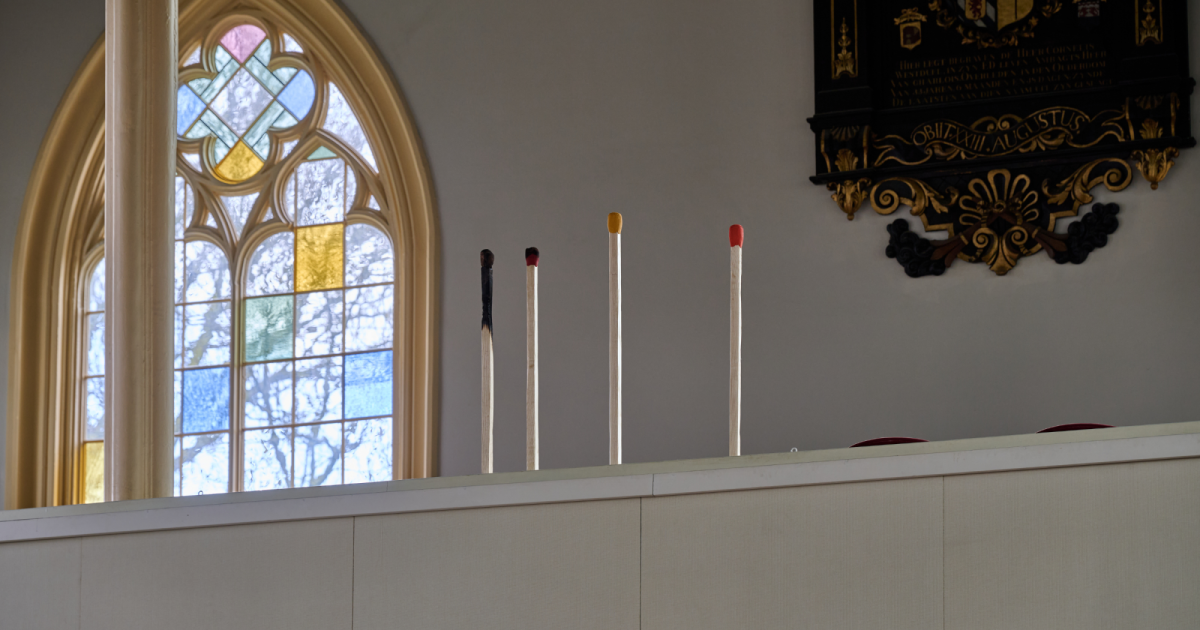
Gabriel Kuri, Error Bars, 2026. Photo: Frans Parthesius
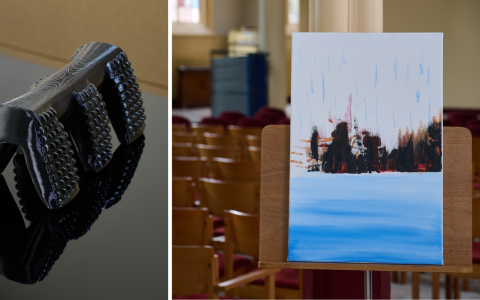
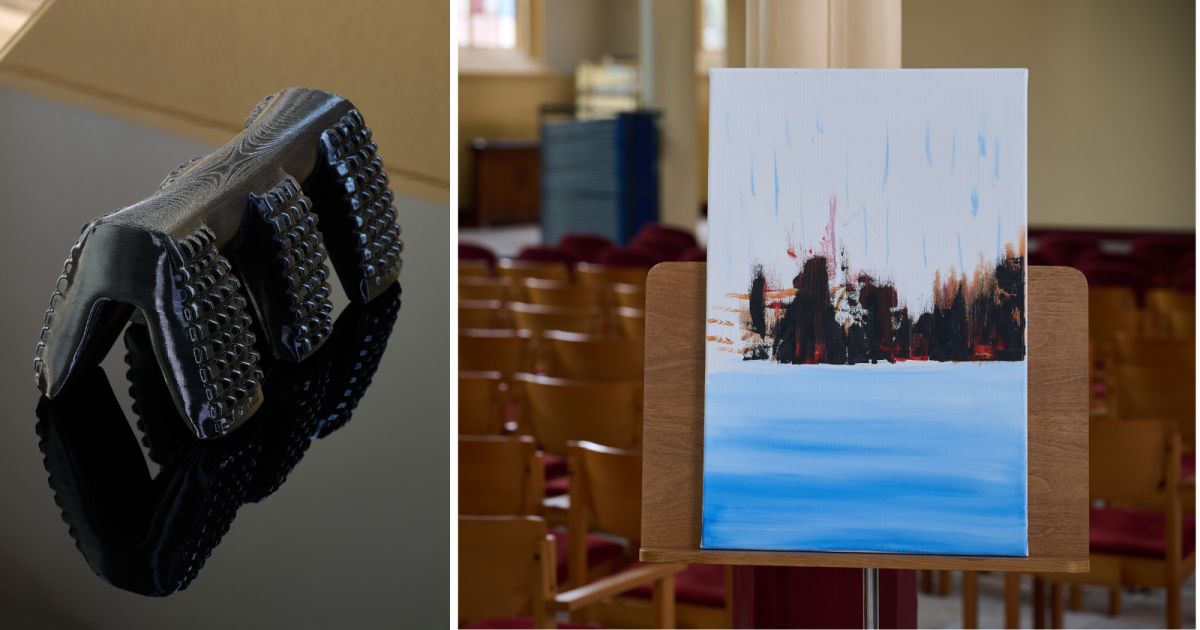
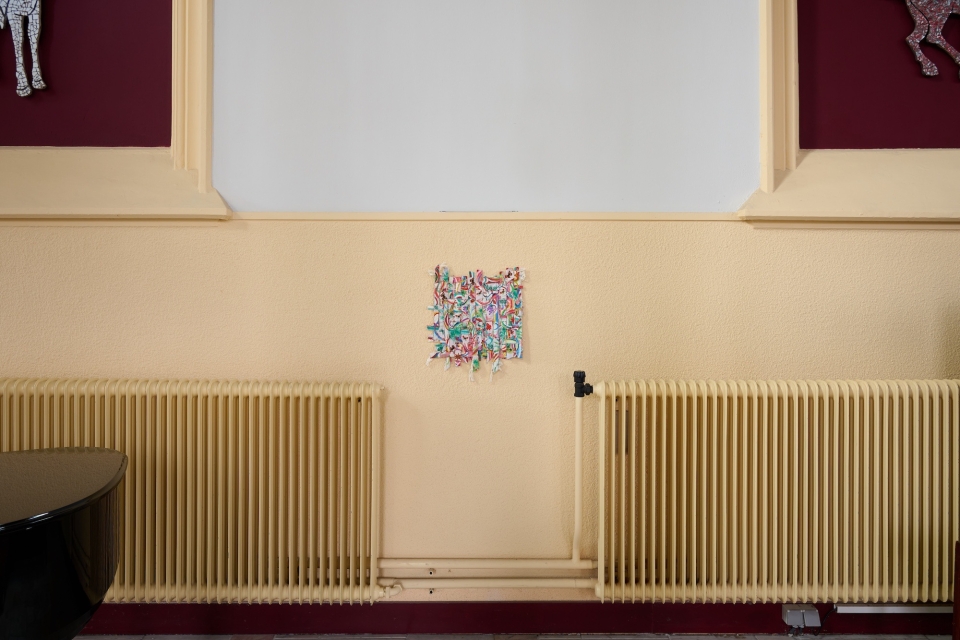
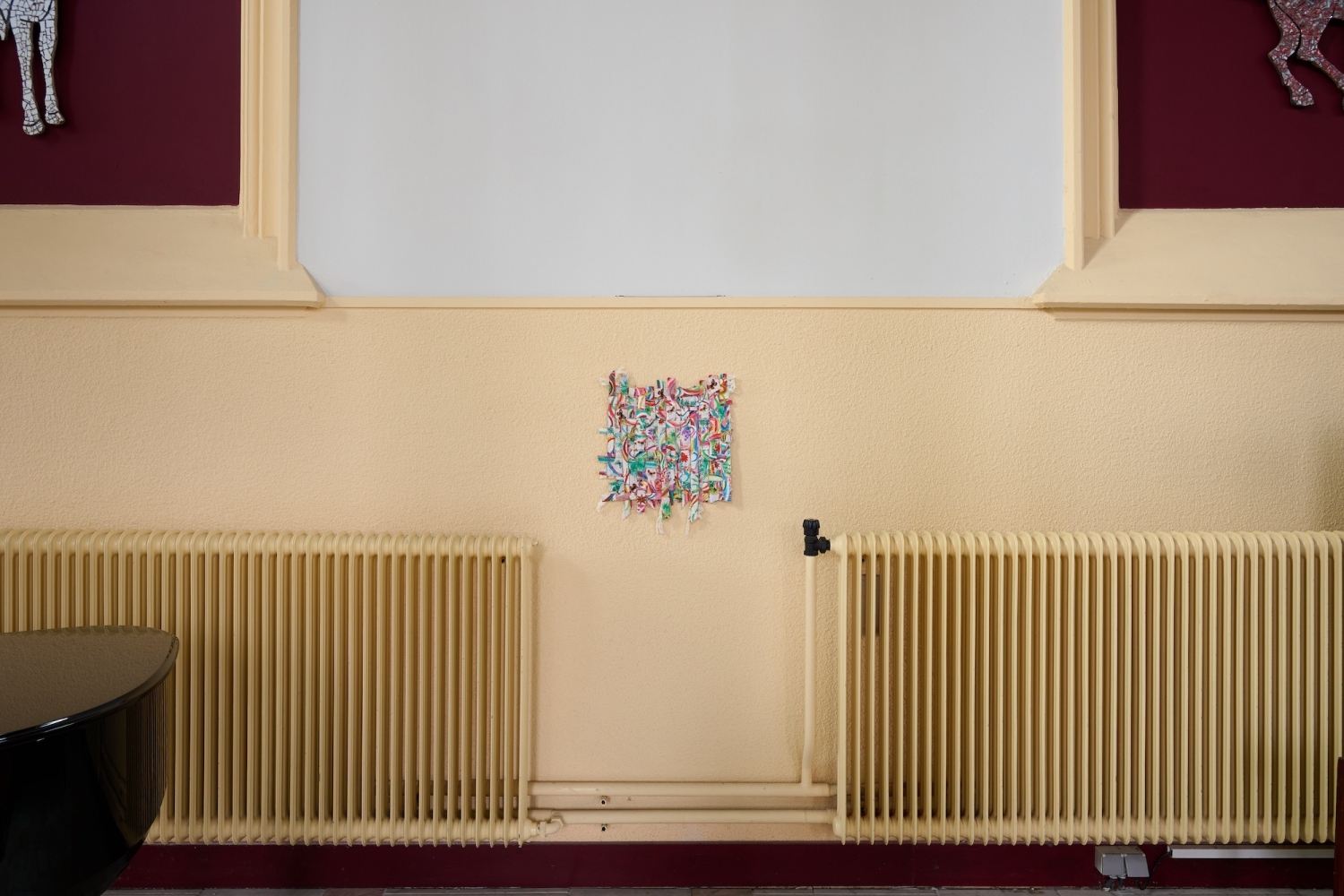
Left: Chloé Quenum, Low Light Rituals V, 2026. Right: Zahra Pourghomi, Untitled, 2005–2011. Photos: Frans Parthesius.
The Oude Kerk is the historical heart of Charlois, dating back to around 1467 when the area was still an independent village. Its tower from 1660 and neo-Gothic nave from 1868 are a national monument and the most visible reminder that Charlois existed long before it became part of Rotterdam-Zuid. Originally dedicated to Saint Clement, who according to legend was drowned at sea with an anchor around his neck — a fitting patron for a church built on land reclaimed from the water. After a major renovation in 2006–2007, the pews were replaced by chairs and the building was opened up for regular concert series alongside its role as a Protestant church.
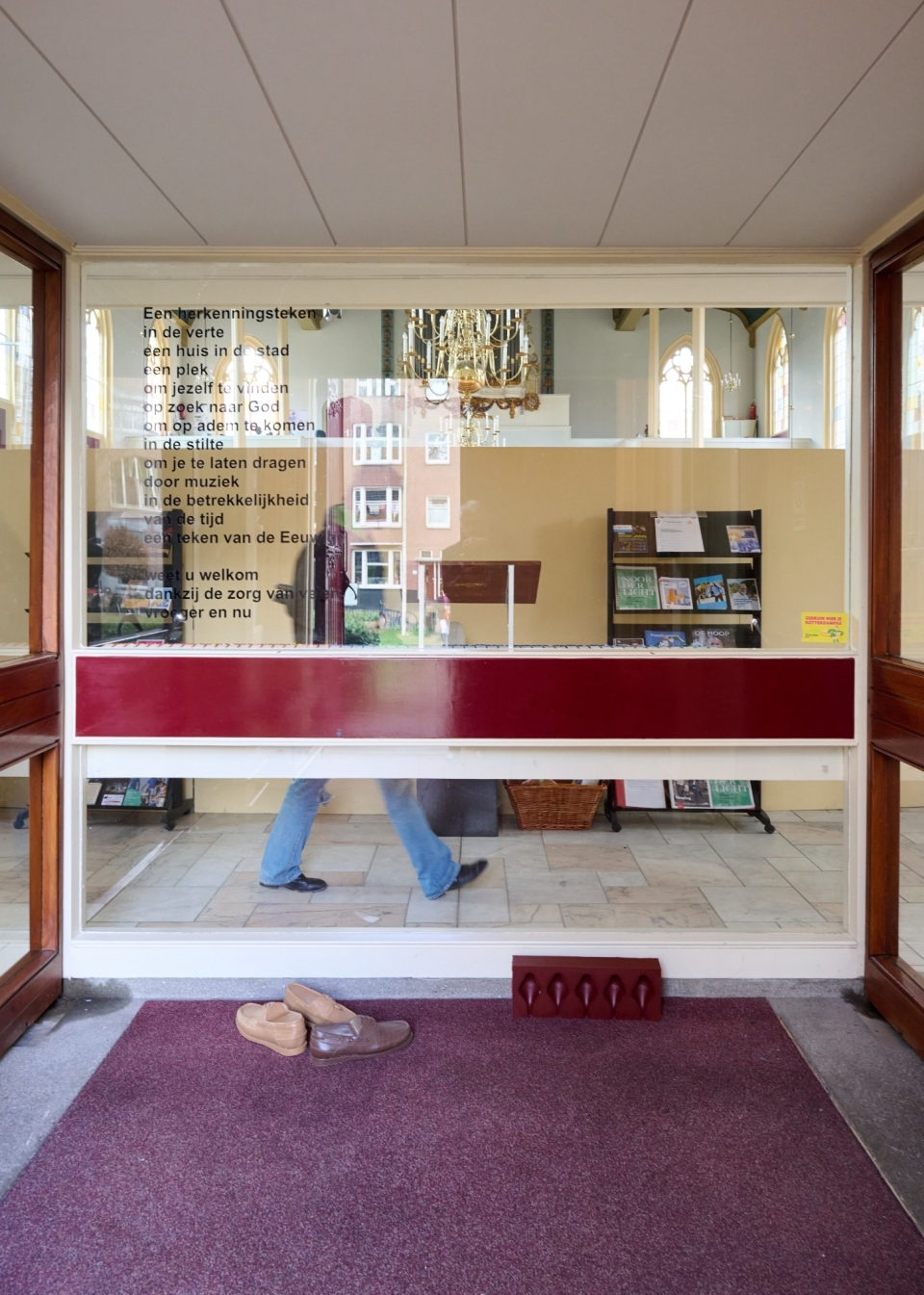
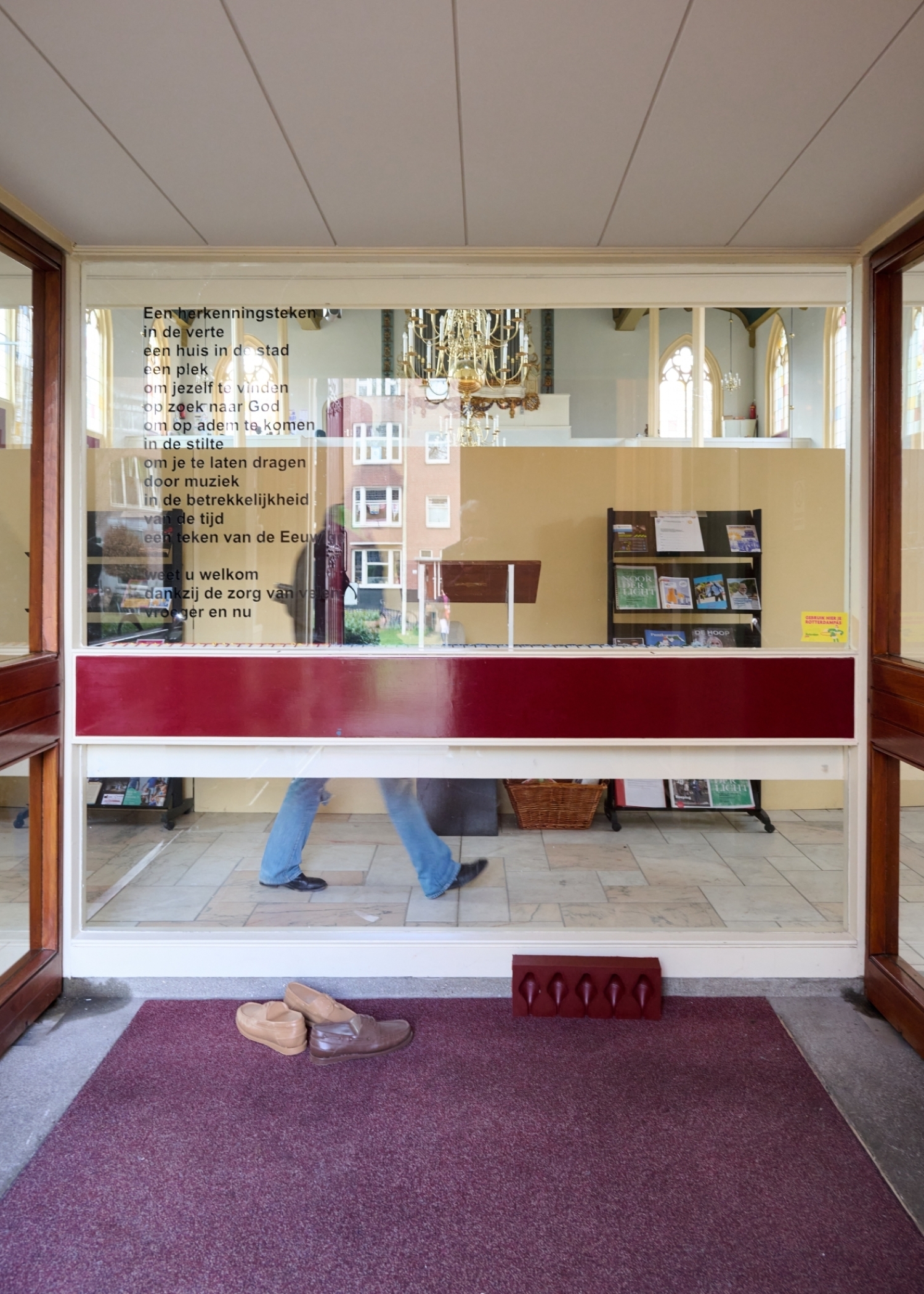
Jakob Brugge's work deals with the symbolic potential of everyday objects, especially clothes. How does a baseball cap or a belt relate to lifestyle, ideology, or political affiliation? When and how does a specific shirt become a uniform, a sign of belonging, a behavior even? These and other questions are prompted by Brugge's work, which often materializes in sculptures that deviate from mere found objects: Symbolic clothes are fabricated, encased, molded, cast, replicated, and transformed by the artist.
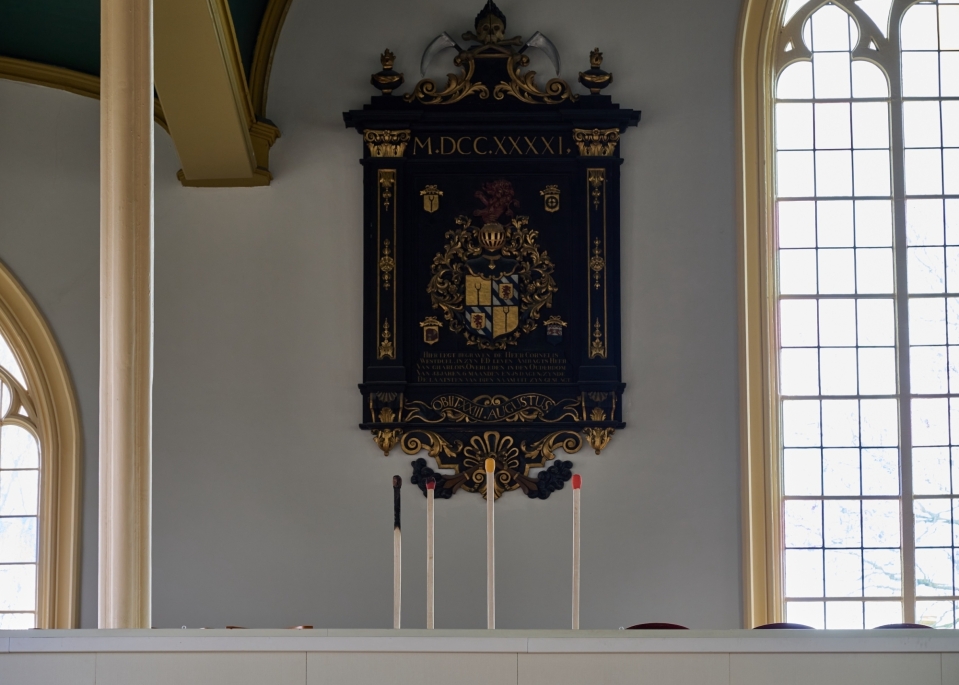
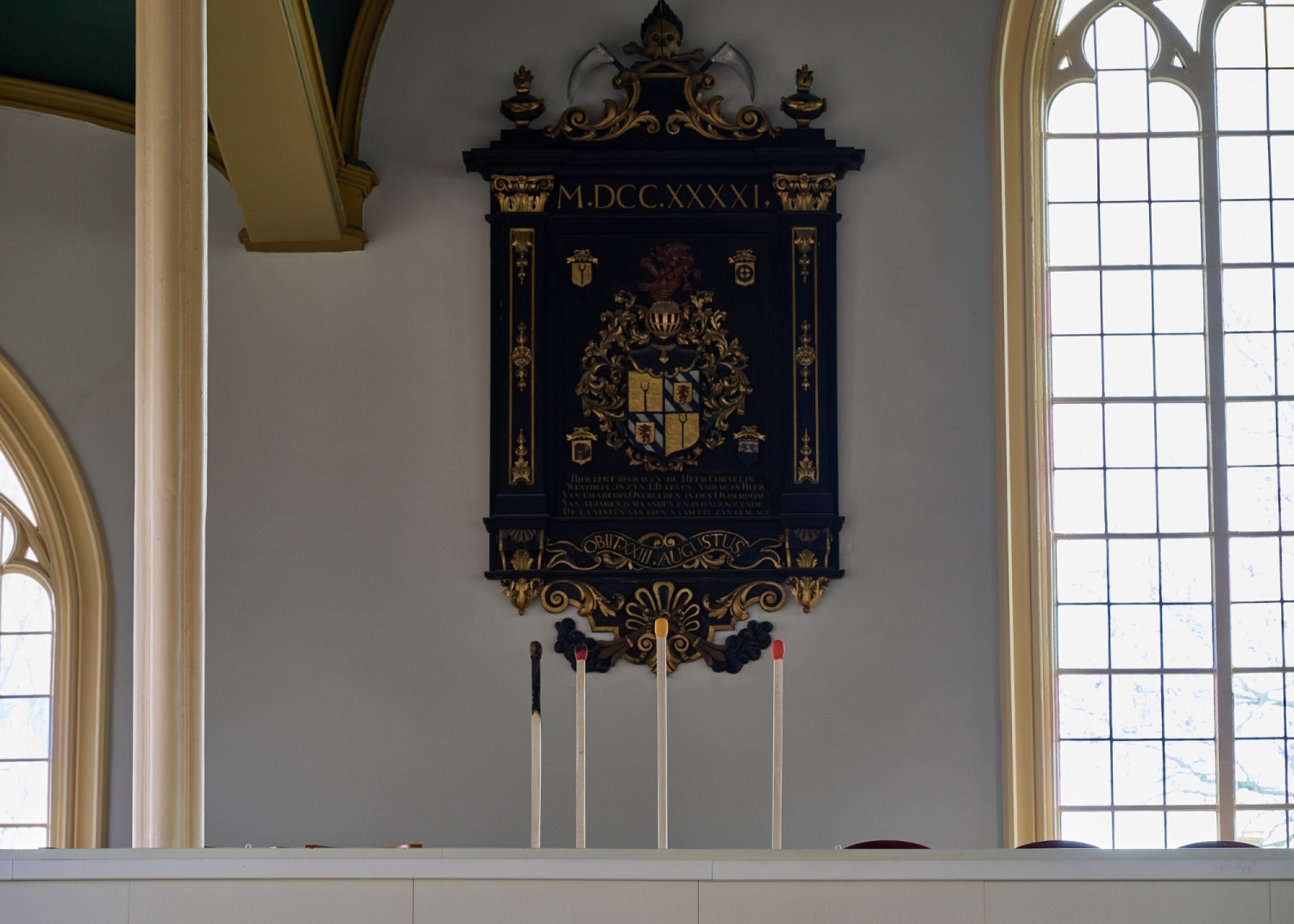
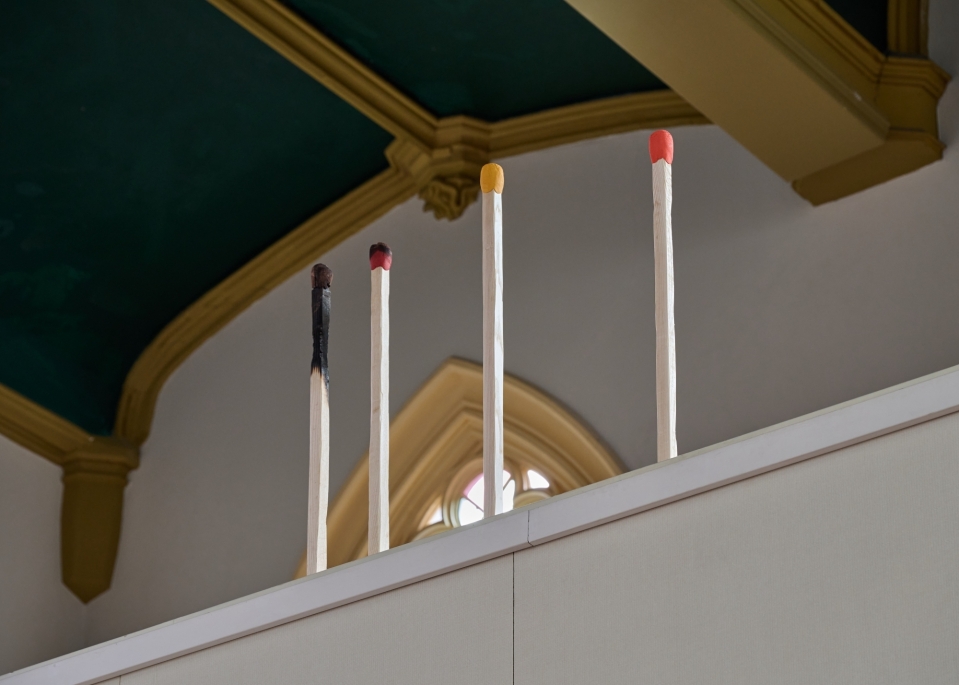
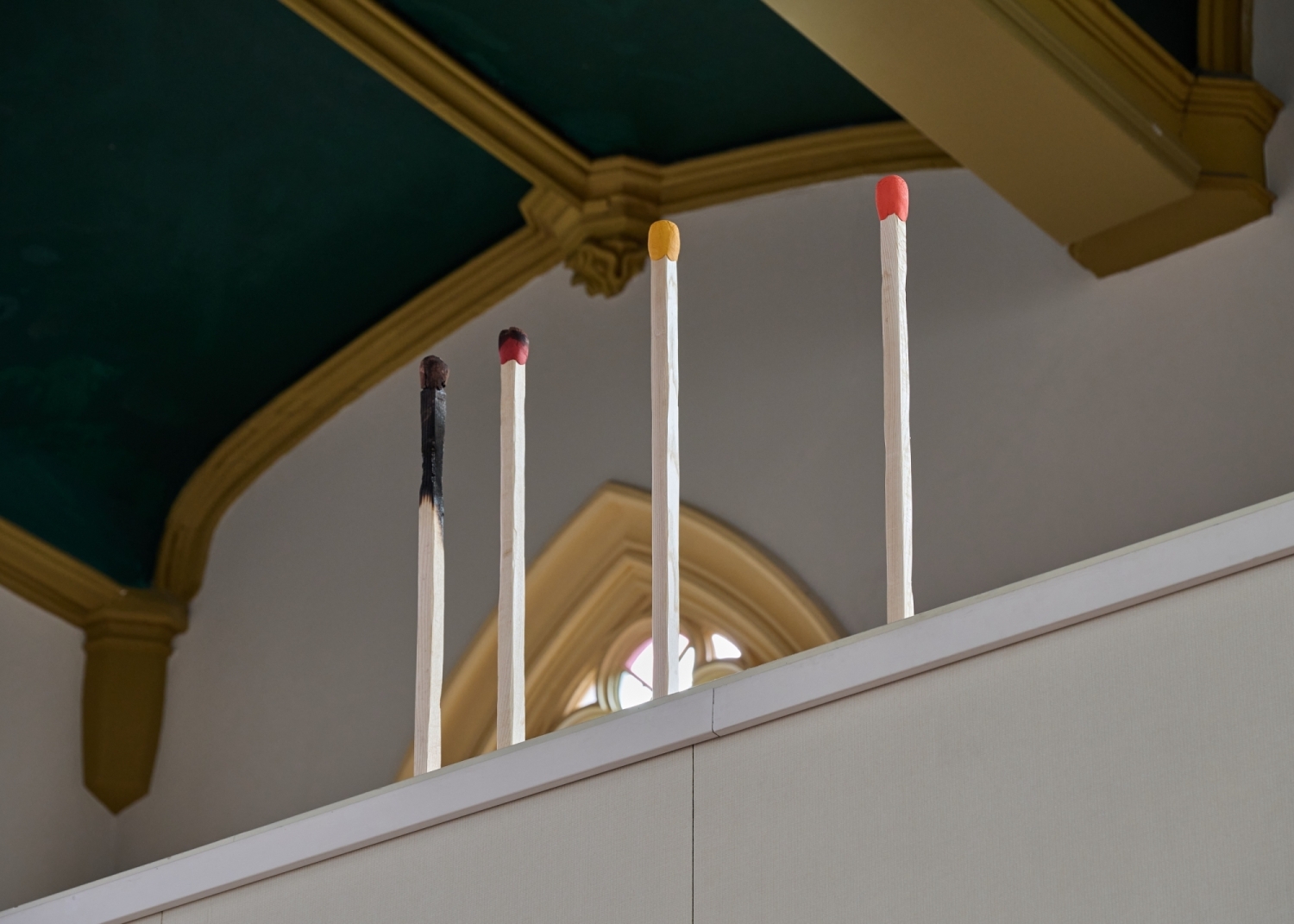
Gabriel Kuri presented a new series of oversized matchsticks distributed across multiple locations throughout the festival, namely Rib, Oude Kerk Charlois, Stone Shop, Attractiepark Rivoli, Planet Cake, and Art Rotterdam. Carved from wood and finished with mixed media, the works appear in varying configurations, some freestanding, others wall-mounted, and in different states: unlit, partially burned, or charred through the middle. Several are double-headed, with a coloured tip at each end, as though two matches have been fused into one. The title, Error Bars, refers to the graphical indicators used in charts and diagrams to represent uncertainty or variability in data, a nod to the artist's longstanding preoccupation with the conventions of visualising information. Encountered at different sites across Charlois, the matchsticks become a kind of recurring motif threading through the neighbourhood, each grouping registering differently depending on its setting. As with much of Kuri's work, the oversized matchstick draws attention to the brittle beauty of the everyday, while the impulse to read narrative or meaning into their arrangement is left entirely to the viewer.
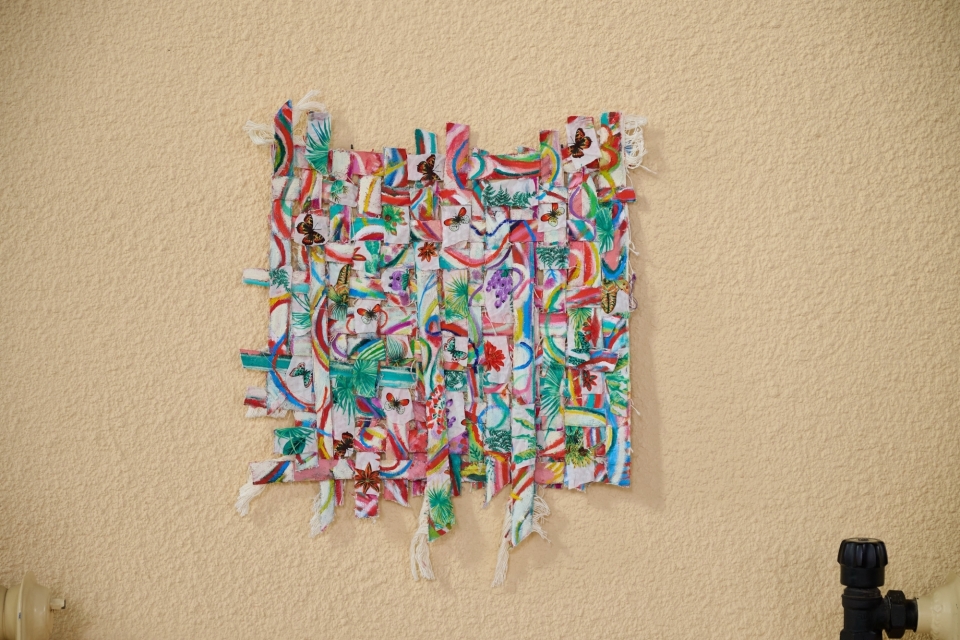
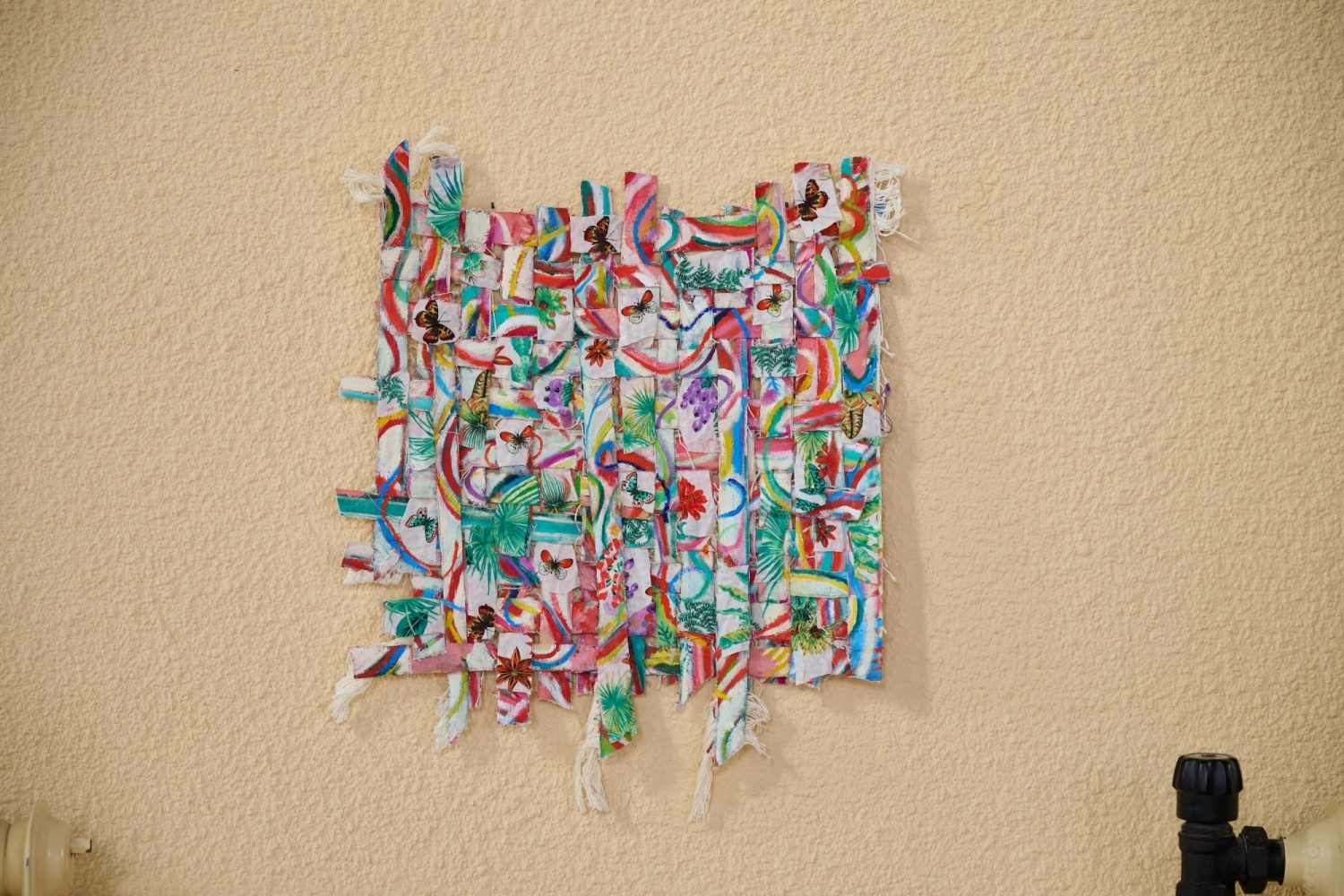
Nie Pastille’s work begins with fragments of random gestures. It feels familiar, awakens memories, triggers moods, but remains open. Colors, shapes, bodies, structures - they open up worlds that cannot be explained, but felt. Like a walk-in dream world that is not always gentle. What holds the work together is affection and care – less as a theme, rather as an inner force. It conveys a feeling of being safe and secure that is not tied to a place, but to closeness and connection. Other artwork by the artist were presented at Rib, Art Rotterdam, Attractiepark Rivoli, Planet Cake.
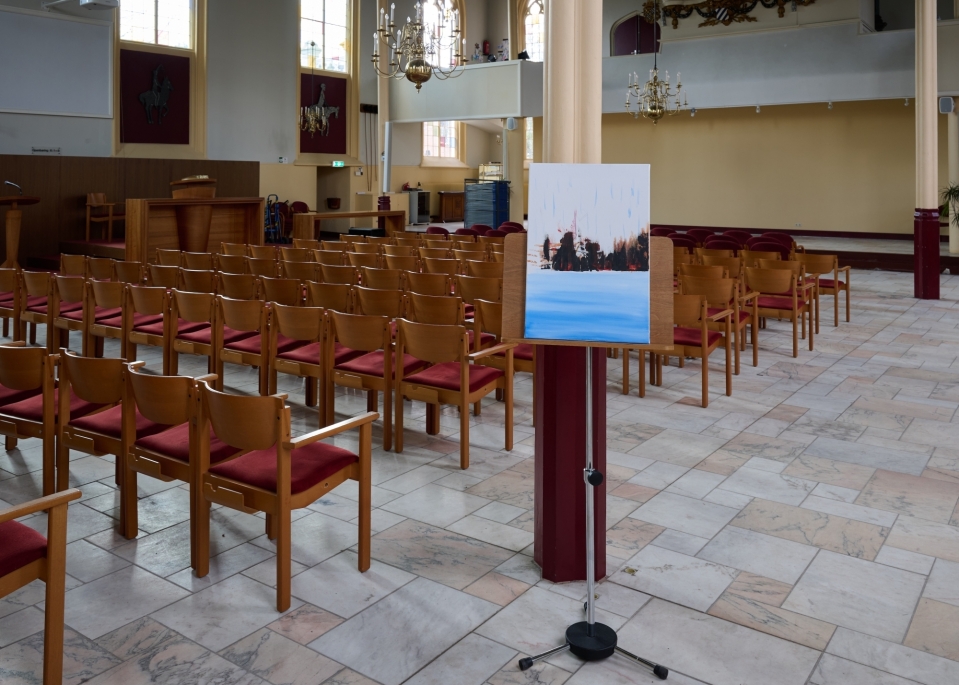
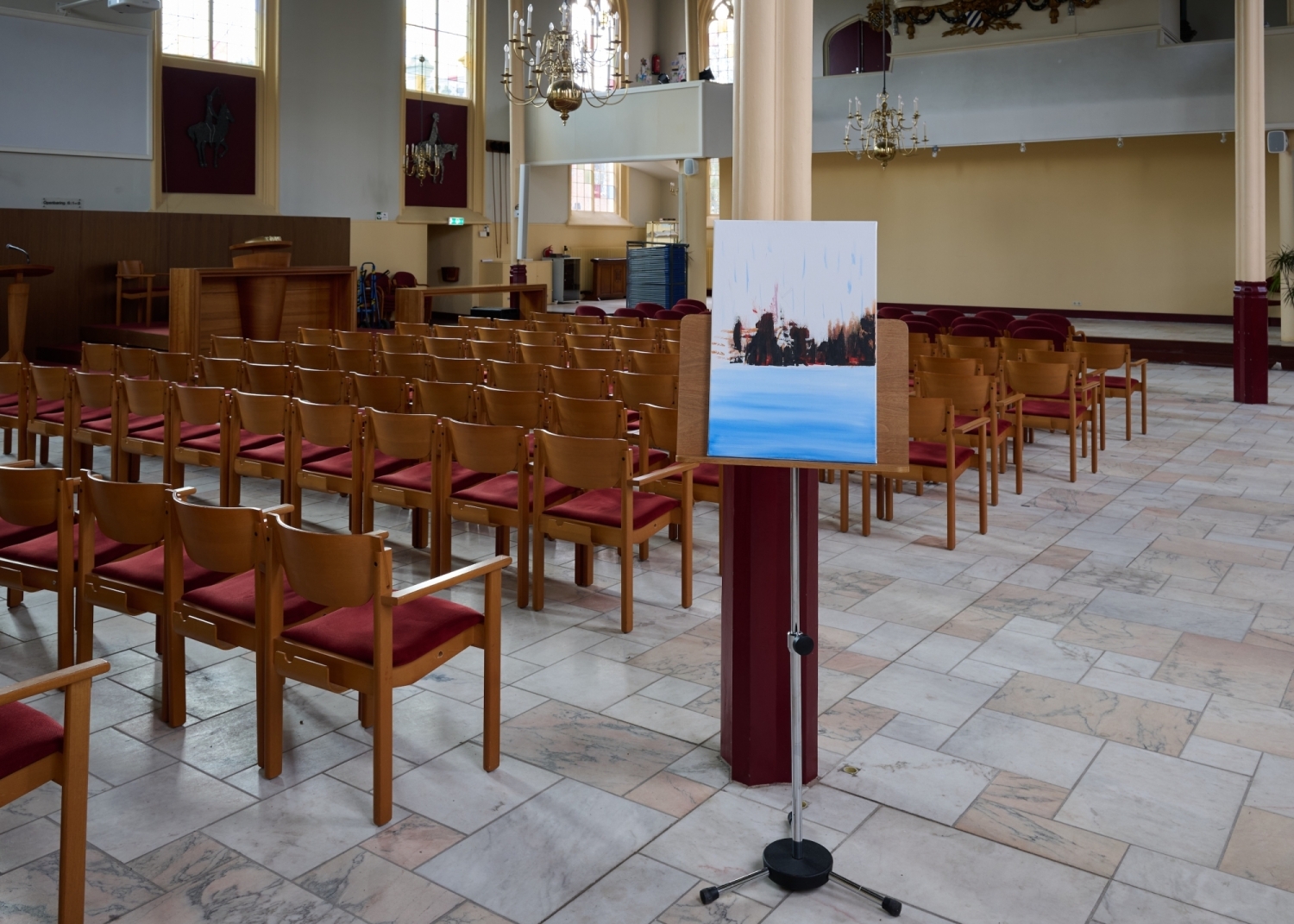
Zahra Pourghomi began painting after a visit to the Mauritshuis in The Hague, where she saw Vermeer’s Girl with a Pearl Earring. Struck by the painting, she went home and painted her own version. From there she continued with works she admired, including Van Gogh’s Sunflowers. Alongside painting, Pourghomi is a skilled dressmaker who for years designed and sewed bridal gowns, some of which she sent to young brides in Iran. One of her designs was inspired by a seventeenth-century painting of a woman in a white dress, which she translated into an actual garment. She also explored other interests, such as music. Due to personal circumstances, she eventually had to set these activities aside.
Zahra Pourghomi is also the curator's mother.
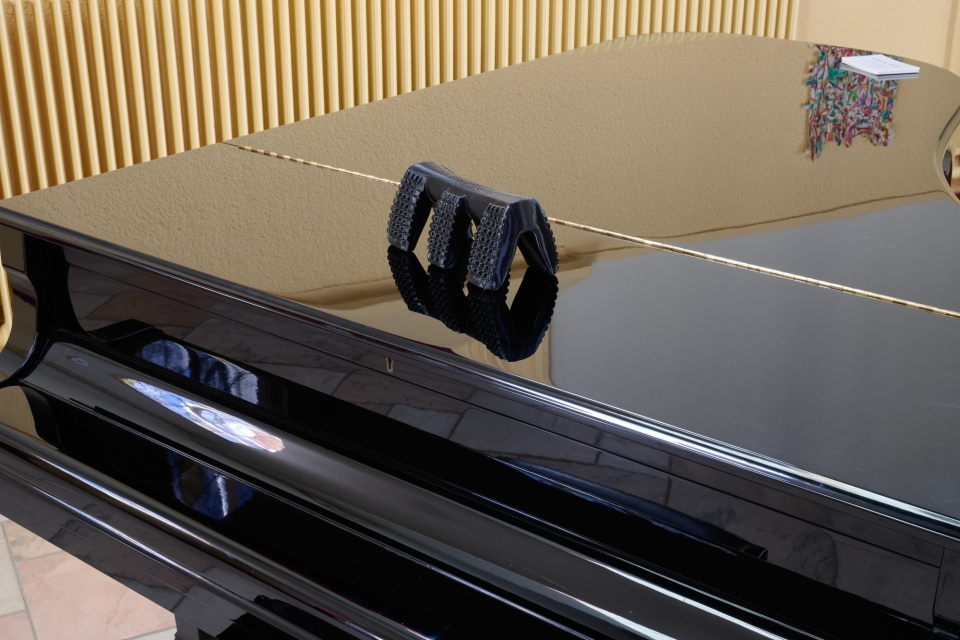
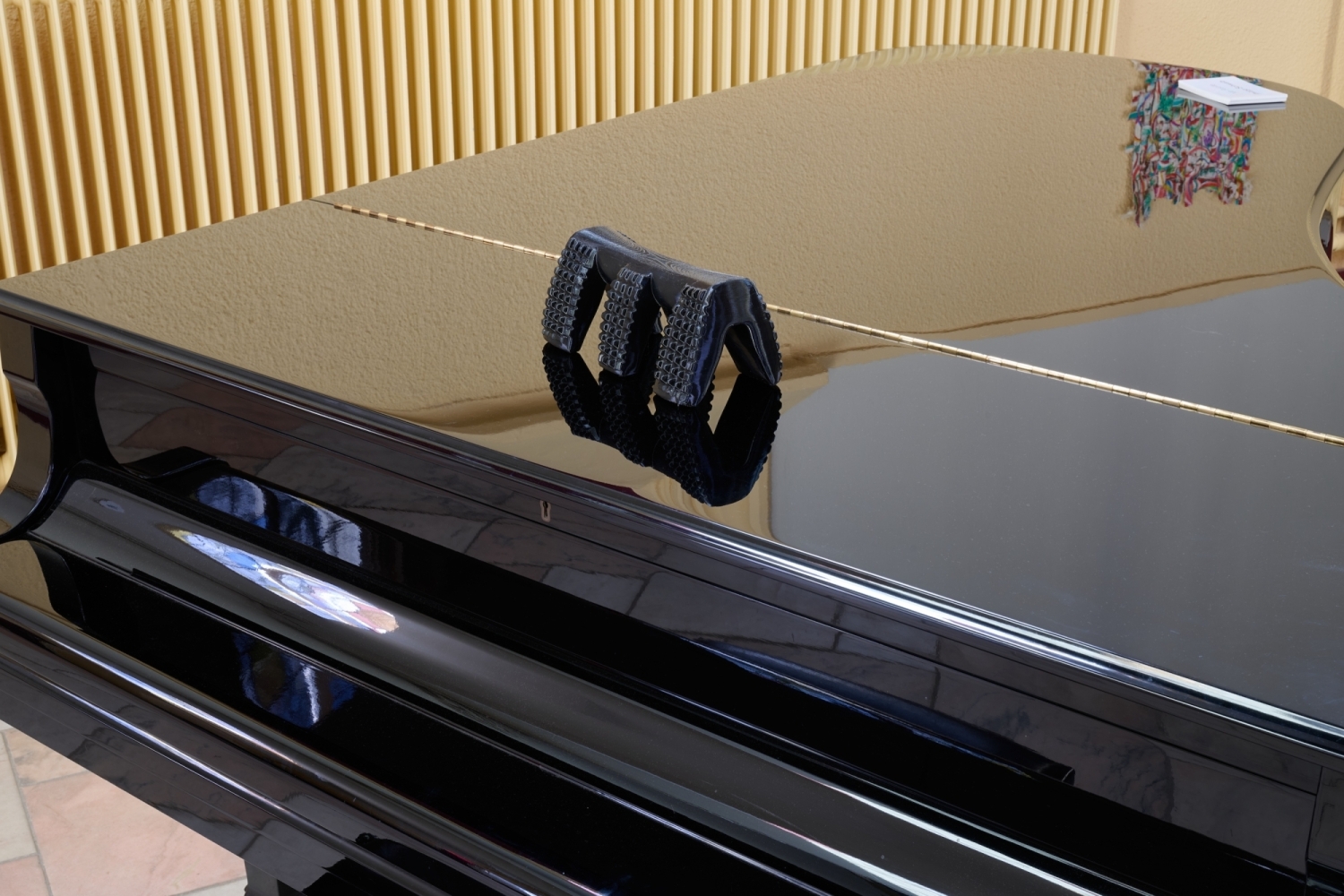
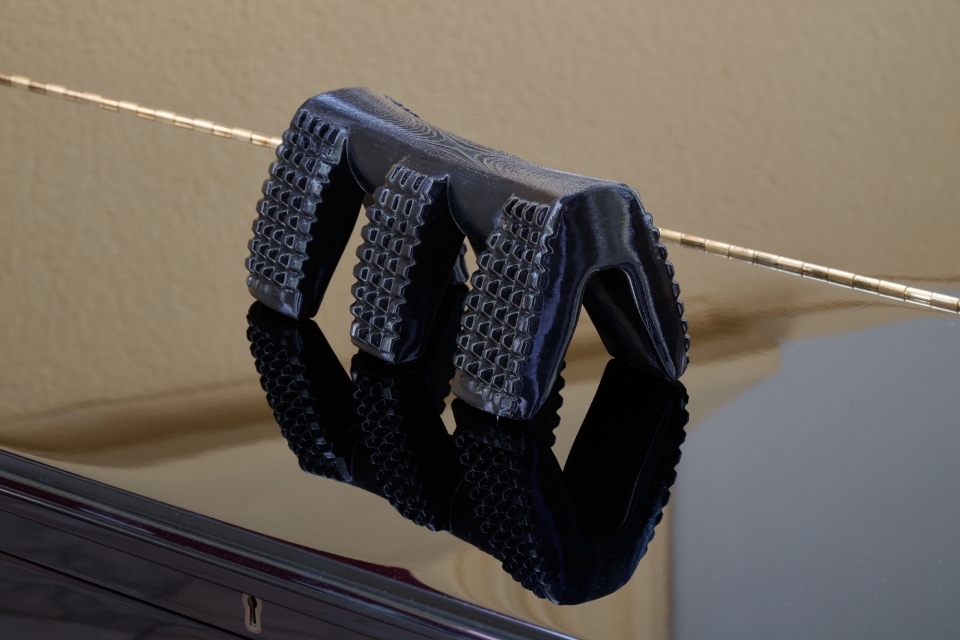
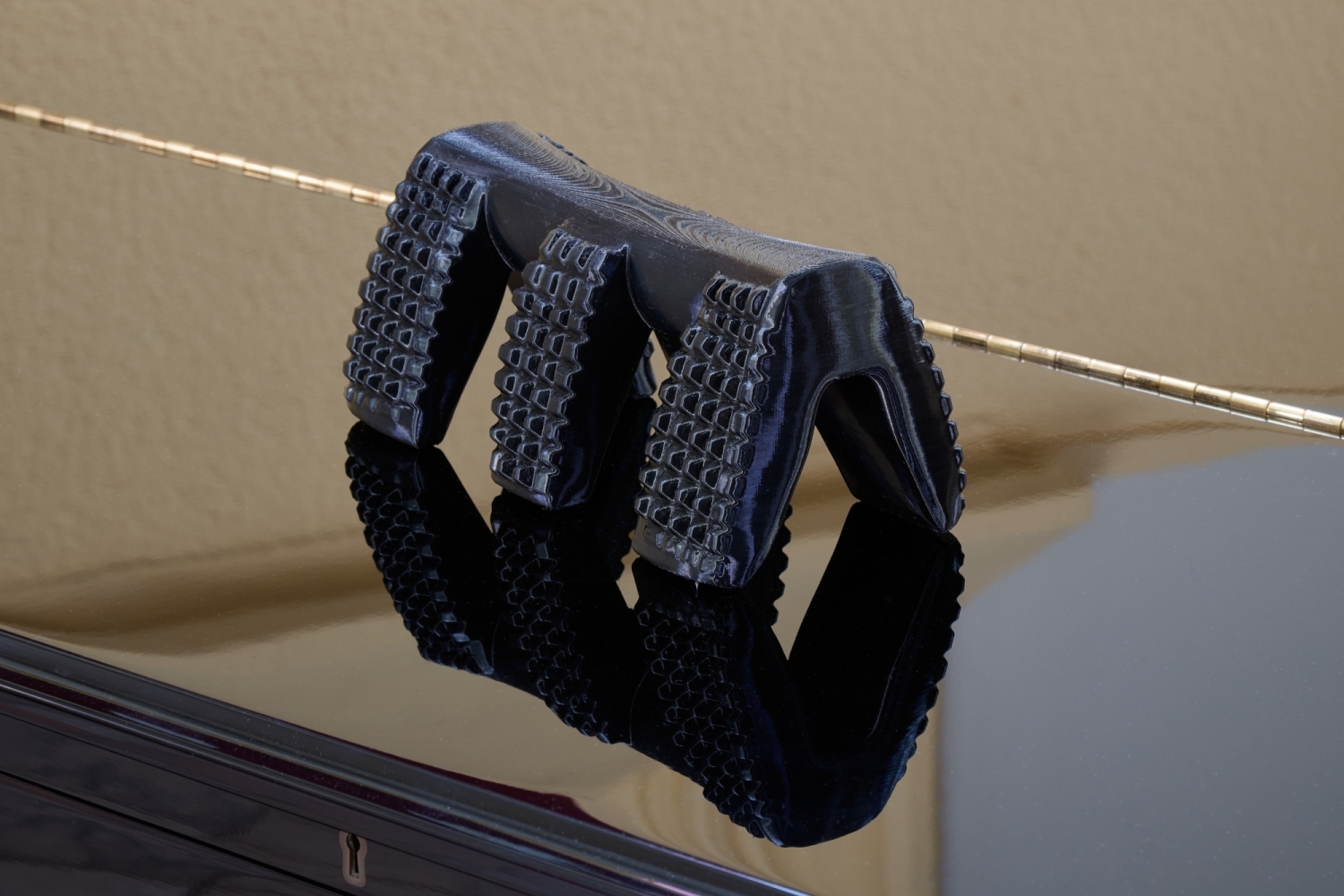
Chloé Quenum's work shown at Oude Kerk is part of the series Low Light Rituals, with which the artist presents 3D-printed headrests derived from traditional forms originating in West Africa, Asia and Oceania. At once ritual object, functional device and speculative proposition, each headrest occupies an ambiguous position between ethnographic artifact and something closer to fiction. The use of 3D printing, a technology associated with standardisation and infinite reproducibility, to produce forms inherited from cultures long fetishised and reconfigured by colonial history, is central to the work’s tension. The headrests are hollow, and this emptiness is deliberate, rejecting exoticisation and redirecting attention toward surface, form and the circulation of models. Some of the objects function as lamps, their artificial light introducing a dystopian undertone in which the ritual becomes a device and the protective object is transformed into a signal. These unstable relics, critical objects without a fixed origin, question post-colonial logics of appropriation and dissemination of cultural forms while resisting any single interpretation. Other artworks from the series were presented at Kapsalon Charlois, Subway Pool Café, Attractiepark Rivoli, Planet Cake and Art Rotterdam.
Artworks:
Jakob Brugge, Heel, 2025
Jakob Brugge, Ornament, 2025
Gabriel Kuri, Error Bars, 2026
Nie Pastille, Hibiskus, Gras, 2024
Zahra Pourghomi, Untitled, 2005–2011
Chloé Quenum, Low Light Rituals V, 2026
Jakob Brugge's work was presented in collaboration with Gauli Zitter.
Gabriel Kuri's work was presented in collaboration with Esther Schipper.
Nie Pastille's work was presented in collaboration with JUBG.
Chloé Quenum's work was presented in collaboration with Agence de Voyages.
Jakob Brugge currently lives and works between Paris and Brussels. His work takes the shape of vitrines housing rubber facsimiles of ordinary objects — partially filled boxes that give structure to a haphazard arrangement of hollow cast forms. Braided belts, boat shoes, t-shirts, hats, and high heels press against each other and their containers, forming a loose ensemble whose historical and ideological specificity is masked by their familiarity. Fabricated, encased, moulded, cast, replicated, and transformed, these symbolic clothes ask how a baseball cap or a belt relates to lifestyle, ideology, or political affiliation — and when a specific shirt becomes a uniform, a sign of belonging, a behaviour even.
Gabriel Kuri was born in 1970 in Mexico City, Mexico. He studied at Goldsmiths College in London and at the Escuela Nacional de Artes Plásticas, UNAM in Mexico City. The artist lives and works in Brussels. Gabriel Kuri’s œuvre encompasses diverse media including sculpture, collage and installation, often using repurposed natural, industrial, and mass-produced objects (insulation foam, shells, soda cans, stones, or ticket receipts, for instance) to craft eloquent works of art. Kuri’s works often include traces of past human activities, such as empty bottles or cans, cigarette butts or ticket stubs. They function as signs of spent time, energy or currency — a recurring theme in the artist’s work.
Nie Pastille lives and works in Cologne. The artist attended the Sandberg Institute in Amsterdam and the University of Fine Arts in Arnhem. Pastille's paintings on linen and chipboard take the form of unconventionally constructed wall objects: canvases are sawn apart and reassembled into rounded, irregular shapes with soft edges and open partitions, sometimes incorporating painted stuffed linen cushions or papier-maché elements. Drawing is central to her process, often informing the origin of a work. Colorful and dreamlike, her compositions move between esoteric imagery and psychedelic figuration.
Zahra Pourghomi (1943, Tehran) began painting after a visit to the Mauritshuis in The Hague, where she saw Vermeer’s Girl with a Pearl Earring. Struck by the painting, she went home and painted her own version. From there she continued with works she admired, including Van Gogh’s Sunflowers. Alongside painting, Pourghomi is a skilled dressmaker who for years designed and sewed bridal gowns, some of which she sent to young brides in Iran. One of her designs was inspired by a seventeenth-century painting of a woman in a white dress, which she translated into an actual garment. She also explored other interests, such as music. Due to personal circumstances, she eventually had to set these activities aside. Zahra Pourghomi is also the curator's mother.
Chloé Quenum (1983, Paris) explores the circulation, slippage, and transformation of meaning through graphic, linguistic, and symbolic elements drawn from different cultures. By extracting them from their original context, she endows them with a new consistency and vitality, as if transmuted as kind of glitch. Her works become material signs, assemblages of mixed origins where references shift and free themselves from fixed frameworks of interpretation. The artist questions how displacement, translation, and transfiguration reshape our relationship to objects, symbols, and narratives. Through this process of extraction and reconfiguration, she reveals the tensions between memory and erasure, inheritance and reappropriation, transmission and resistance. Crossing the boundaries between disciplines and traditions, Chloé Quenum constructs a cryptic language in which each form acts as a vector of poetic and political resistance. Her works interrogate the evocative power of symbols, their ability to generate new narratives and to make long-silenced or scattered histories resonate.
Agence de Voyages is an art space founded in 2024 in Paris. Its distinctive feature is its precise and subtle alteration of the perception of art and exhibitions, achieved through its careful placement on an ambivalent threshold where aesthetic delight and critical deconstruction can occur simultaneously. Therefore, it deploys a plethora of strategies involving border-crossing and -suspending within the context of a gallery. These include confronting the interiority of the living space with the exteriority of the commercial sphere; combining classical framing, hanging and installations with unconventional concepts of display and social engagement; and reflecting the relationship between art and literature, intermingling publishing and exhibiting practices. Agence de Voyage is a space which aims to infiltrate contemporary issues into historical formats such as painting and the novel and vice versa. On an analytical level the gallery wants to playfully separate interpretative historical frameworks from their respective disciplines and apply them to other forms of expression. The space showed artists like Monica Bär, David Medallal, Mimosa Echard, Jean-Luc Blanc, Chloé Quenum, Stefano Faoro and Birgit Megerle.
Esther Schipper founded her first gallery in Cologne in 1989. After German reunification, she opened a satellite space in Berlin in the mid-1990s, where it has since developed an influential international program. Since then, the gallery has expanded globally, integrating Johnen Galerie in 2015 and opening spaces in Seoul, Paris, and New York. Its activities extend beyond exhibitions to include lectures, performances, and events, reinforcing its role as a discursive space for experimentation.
Gauli Zitter is an art gallery founded in 2023 by Piero Bisello and Philip Poppek. It shows Belgian and international artists in its location in Brussels and international fairs.
JUBG is a Cologne based gallery for contemporary art, founded in 2020 by Jens-Uwe Beyer, Albert Oehlen and Alexander Warhus. In 2022, the gallery’s own label was added. JUBG wants to be understood as a space for conversation and inspiration that connects art, music, and sound. JUBG passionately works with artists, musicians, writers, whether from the underground or acclaimed positions. The gallery program shows international artists and influential musicians combined in unique collaborations.